
 UK
 USA
 Australia
Key Takeaways
- Clear aligners smell bad because bacteria, plaque, saliva, and food particles build up on the trays, not because of the aligner material.
- Cleaning your aligners twice a day and brushing your teeth before reinserting them helps remove odour-causing bacteria.
- An aligner-safe cleaning solution keeps trays clean without damaging the clear plastic.
- Daily habits such as removing aligners before meals, drinking plenty of water, and storing them in a clean case help prevent unpleasant odours.
- Replacing worn or damaged aligners as instructed supports better hygiene and a fresher treatment experience.
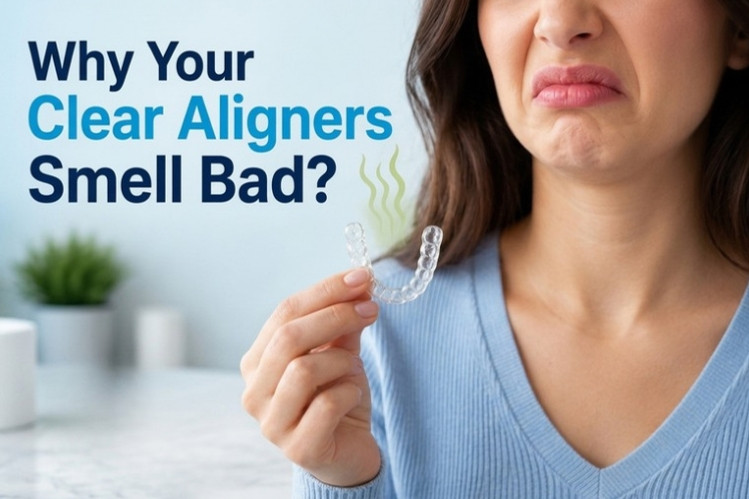
Clear aligners can develop an unpleasant smell if they are not cleaned regularly. The odour comes from bacteria, plaque, saliva, and tiny food particles that build up on the trays over time rather than from the aligner material itself.
Knowing why your clear aligners smell bad makes it easier to stop the problem before it affects your treatment. This guide explains the most common causes of aligner odour, the best ways to remove it, and simple habits that keep your trays fresh every day.
Why Do Clear Aligners Smell Bad?
Clear aligners develop an unpleasant smell when bacteria and food residue remain on the trays for long periods. As bacteria break down this build-up, they release sulphur compounds that create the odour.
Because aligners cover your teeth for most of the day, they hold saliva and bacteria close to the tooth surface. Without regular cleaning, the residue gradually builds up and causes an unpleasant smell.
Bacteria and Plaque Build Up
Your mouth naturally contains bacteria that combine with saliva and leftover food to form plaque. This sticky layer collects on your teeth and also sticks to the surface of your aligners.
As plaque remains on the trays, bacteria continue breaking down organic matter, producing compounds responsible for unpleasant odours. Cleaning your aligners every day removes this build-up before it becomes noticeable.
Food Particles Trapped Under the Aligners
Small food particles often remain around the teeth if aligners are worn immediately after eating. These trapped particles feed bacteria, allowing them to multiply more quickly and create unpleasant odours.
Removing your aligners before meals and brushing your teeth before putting them back in helps prevent residue from becoming trapped beneath the trays.
Wearing Aligners Without Brushing After Meals
Putting aligners back in straight after eating traps food debris and plaque against your teeth for hours. Since aligners stay in place for 20–22 hours a day, bacteria have plenty of time to multiply.
Brushing and flossing before reinserting your aligners keeps both your teeth and trays cleaner throughout the day.
Dry Mouth and Reduced Saliva Flow
Saliva naturally helps keep your mouth clean by washing away food particles and bacteria. When saliva production drops because of dehydration, medication, or mouth breathing, bacteria remain on the aligners for longer and unpleasant odours develop more easily. Drinking water regularly helps maintain saliva flow and naturally rinses away bacteria.
How to Remove Bad Smell from Clear Aligners
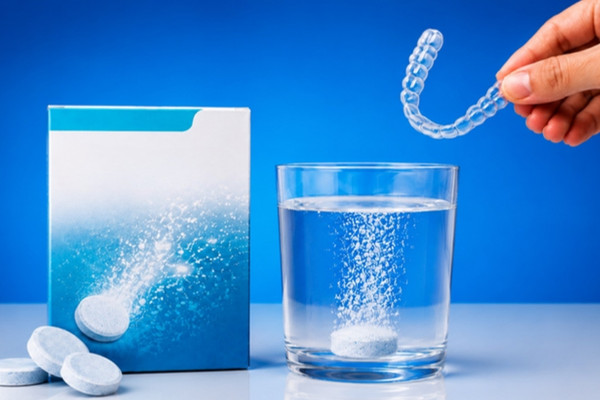
The quickest way to remove aligner odour is to remove the bacteria causing it. A consistent cleaning routine keeps your trays clean, clear, and fresh throughout treatment.
Clean Your Aligners Every Morning and Night
Wash your aligners every morning and evening using normal water and a soft toothbrush. This removes plaque, dried saliva, and daily residue before they create unpleasant smells.
Avoid hot water because heat can change the shape of the plastic and affect how the aligners fit. For step-by-step cleaning instructions and a more detailed daily routine, follow our complete guide to cleaning clear aligners.
Brush and Floss Before Reinserting Them
Cleaning your teeth before wearing your aligners again prevents plaque and food particles from transferring back onto the trays.
Rinse Your Aligners Whenever You Remove Them
A quick rinse with lukewarm water removes fresh saliva before it dries onto the aligners and leaves behind a film that attracts bacteria.
Use an Aligner-Safe Cleaning Solution
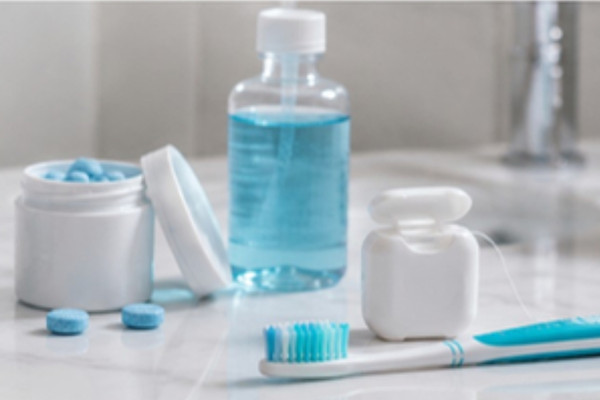
Clean your aligners with cleaning tablets or a solution designed specifically for clear aligners. Products such as Caspersmile cleaning tablets help remove plaque, surface stains, and odour-causing bacteria while protecting the clear plastic.
Avoid household cleaners, bleach, coloured mouthwash, and abrasive toothpaste because they can damage or discolour the trays.
Clean Your Aligner Case Regularly
Your aligner case collects bacteria every time the trays are stored inside it. Wash the case daily with warm water and mild soap, then allow it to dry completely before using it again.
Daily Clear Aligner Care Checklist
A simple daily routine keeps your aligners clean, reduces unpleasant odours, and supports better oral hygiene throughout treatment.
| Time | What to Do |
| Morning | Brush your teeth and clean your aligners. |
| After meals | Brush and floss, rinse the aligners, then reinsert them. |
| Evening | Deep clean the aligners before bed. |
| Throughout the day | Drink water and store aligners in a clean case whenever removed |
Following this routine keeps your aligners clean, reduces plaque build-up, and supports effective clear aligner care.
Keeping Your Aligners Clean and Fresh
Clear aligners only develop unpleasant odours when bacteria and food residue are allowed to build up. Cleaning your trays every morning and night, brushing before reinserting them, and storing them in a clean case keeps them fresh throughout treatment. A few simple daily habits keep your aligners fresh, support better oral hygiene, and help you stay on track with your treatment.


Heading