
Did you know that the position of the teeth in your mouth may influence the way you breathe? You would never think that there was a link between teeth alignment and breathing and yet there is – it is quite amazing. Most people don’t know this but, dental alignment is not just for looks but for your oral health as well. Here in this blog, you will learn how these two aspects are related and what this connection means about your health.
Your teeth are not just for eating and appearances, your teeth and jaws greatly contribute to your mouth and airway framework. Crowded or misaligned teeth may cause the position of your jaw to shift and in doing so; it may become difficult for you to breathe properly. Here’s why this happens:
All these factors prove that the alignment of one’s teeth is not a matter of aesthetics but a concern for as basic of a function as breathing. Now, let’s discuss more on how this is done.
When teeth alignment isn’t right, there will be several breathing issues that can arise. Here are some of the common problems people might face:
Individuals with orthodontic problems or narrow arches are more likely to breathe through the mouth than the nose. Although respiration occurring through the mouth may appear normal, it actually leads to many problems such as dryness in the mouth with subsequent effects including bacteria build-up leading to bad breath, etc, and more complex effects.
Snoring is usually considered as a symptom that something is wrong with the way you breathe when you are asleep. Misaligned teeth put one at an increased risk of snoring and possibly sleep apnea, which is a phase in which you stop breathing when sleeping.
It can even start affecting the layout of your face and block your nose. In fact, a lot of people with crooked teeth cannot breathe through their nose, the result is that they are either always congested or they don’t get enough oxygen.

Misaligned teeth can create pressure on the jaw making the person feel pain in the jaw and neck. If your jaw isn’t properly aligned, it means the muscles in the jaw region become tight, leading to pain and stiffness in the face and/or neck. Sometimes this tension can alter breathing as we do if it causes one to clench their jaw in a way that the airway passage to the nose.
In the case of children’s teeth, when they are not aligned properly you will learn that the face soon begins to grow in a certain way that it isn’t supposed to. When the teeth are crowded or there are problems with the bite, this will affect how the bone of the jaw and face will develop resulting in a narrowed airway. The inability to properly form the airway makes it very easy for them to have breathing complications as they continue growing, which can be very unfortunate.
Having understood the correlation between the position of teeth and the quality of breathing, you might wonder whether this type of misalignment can be corrected to alleviate breathing issues. The answer is yes! Properly aligned teeth not only result in increased width in the dental arch, but also help to reposition the lower jaw, and especially assist in the opening of an air passage. Here are a few ways that aligning teeth might help:
For those with tightly packed or crowded teeth, the orthodontist may suggest making the jaw bigger to accommodate the teeth. This is not only useful for fitting the teeth into the ideal positions but also for breathing obviously. Expansion of jaws will add more space in the mouth, which could increase the airway passage for nasal breathing.
When the tongue and jaws are lowered, you may discover that you can breathe easier than ever before during the day or even while you sleep.
When the bite is correctly positioned, one is capable of having their jaw relaxed while the passage to the lungs and throat is wide open. This is particularly significant during sleep because it causes a lower probability of snoring and sleep apnea.
Braces and clear aligners are kinds of orthodontic treatment applied to align the teeth progressively. This assists the jaw to easily position in a manner that allows easy breathing. The bite improves and that means your jaw will not be strained and ensure that breathing returns to normal instead of the shallow breathing often associated with sleep for instance.
A lesser-known advantage of teeth and bite correction is the improvement of the place where the tongue rests. When aligned, the tongue has more space to occupy so it does not close off the airway as it would if the teeth were misaligned. When the teeth have been aligned, the tongue can rest naturally behind the topmost surface of the oral cavity without pressing backward, thereby causing blockage of the throat.
When tongue posture is resting in a higher position you will not result in snoring or breathing disruptions during sleep so it is easier to breathe.
In case you are experiencing breathing problems due to teeth alignment, then there are orthodontic procedures that take care of both teeth alignment and airway. Some of these options are orthodontic, and other additional therapies and lifestyle modifications can lead to better results.

Orthodontic treatments, such as braces and clear aligners, can gradually shift teeth into better positions, aligning the bite and opening up the airway.
Jaw expansion appliances are used to widen the upper jaw, which can improve space for the teeth and increase the airway size.
Myofunctional therapy is a set of exercises that focus on strengthening the muscles of the mouth and tongue to support better breathing and oral posture.
Orthodontic treatment does not only concern appearance but can also influence the way you breathe and consequently, the quality of your health. Misaligned teeth are also capable of causing issues with the jaw, the position of the tongue, and access to the airway, meaning mouth breathing, snoring, and even sleep apnoea. The good news is that there are various ways of correcting such a condition, and both teeth misalignments and breathing problems can be treated. If you are sure your teeth alignment may be an influence on the kind of breathing you do, you may consult a dentist or an orthodontist. They can consider whether you’re aligned properly and talk to you about changes that would make a huge difference in how much you breathe and how good you feel.

Curated the best for your knowledge
 Are Ultrasonic Cleaners Worth It for Clear Aligners?
Yes, ultrasonic cleaners for clear aligners can be worth it, especially for removing plaque, debris, and buildup that regular brushing may miss. They use high-frequency sound waves to create tiny bubbles that help loosen buildup from the trays and other orthodontic appliances, including retainers, mouthguards, and night guards. However, they are not essential for everyone and have some limitations. Here’s how ultrasonic cleaners work, their benefits and drawbacks, and how to use one safely.
Read More The Aligner Diet: Can Clear Aligners Really Cause Weight Loss?
Some people notice they've lost a little weight after starting clear aligner treatment. It can happen, especially during the first few weeks, when taking the trays out for every meal and snack takes some getting used to. Sore teeth can also make eating less appealing for a day or two. The amount of weight lost varies from person to person, and not everyone experiences this change. Below, we'll break down why it happens, whether it's actually good for you, and what to know before treating your aligners like a diet plan.
Read More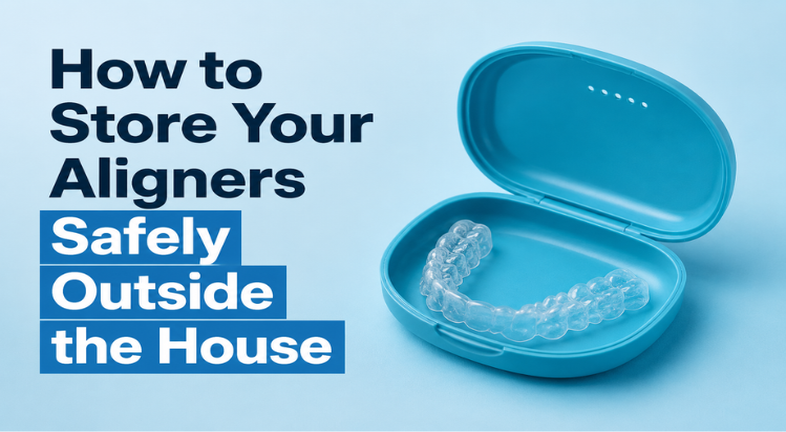 How to Store Your Aligners Safely Outside the House
Taking your clear aligners out while you're away from home is part of everyday life. The important part is knowing where to keep them until it's time to wear them again. Whether you're eating at a restaurant, traveling, running errands, or attending a social event, instead of leaving them on the table or wrapping them in a tissue or napkin, place them in a protective aligner case. Poor storage can lead to lost, damaged, or dirty aligners.
Read More



Heading