
Cavities, no one can stand them. That sharp, stinging pain in your mouth when trying to enjoy a nice meal can completely ruin your day. Usually caused by a lapse in oral hygiene, cavities can vary greatly in their level of severity. Most remain asymptomatic initially, but almost always grow excruciatingly painful as the decay worsens. Considering how disruptive a cavity can be, it's reasonable to assume that plenty of people wonder, “Can cavities go away?” The answer is a resounding no; you will almost certainly need some sort of treatment once decay has turned into a cavity.
Before we get into the realities of cavities healing on their own, it's best to break down what cavities actually are. A cavity occurs when tooth decay caused by bacterial acid erosion breaks past the initial layers of enamel, creating a hole. Cavities develop in severity over the course of various stages. Typically starting as white spots on your teeth and eventually moving towards your dentin and pulp as the decay worsens.
Many online resources make exaggerated claims about natural cavity removal. The truth is, natural remedies are mostly ineffective at treating mild dental issues, let alone a full-blown cavity. Methods such as oil pulling have extremely limited evidence to back up their “cavity-reversing properties,” and most other remedies are purely preventative. Here is a brief breakdown of some of the most common myths surrounding cavity removal:
| Myth | Fact |
|---|---|
| You can reverse cavities with coconut oil or oil pulling. | Oil pulling can reduce bacteria in some cases, but it cannot repair your enamel or reverse a cavity. |
| Vitamin D reverses tooth decay. | Vitamin D can strengthen enamel, but it won't help you recover enamel that's already been eroded. |
| Brushing harder removes cavities. | Brushing aggressively can actually increase the odds of a cavity developing by damaging your enamel, and no, it can't reverse a cavity. |
| Cavities go away on their own. | You can only reverse the earliest stages of a cavity, before an actual hole has even formed. |
| If the pain stops, the cavity is gone. | The pain may have stopped because your nerve has died, but the decay itself has not stopped. |
When your oral health is at stake, you can't rely on wellness blog shortcuts; verifiable science is the only way to go. The very nature of a cavity eliminates the possibility of one going away without professional intervention. Let's break down why.
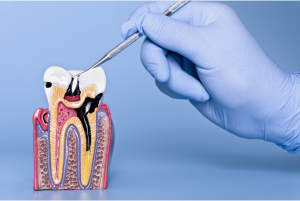
Once the outer layers of enamel have been breached, the damage has been done. Preventative measures such as remineralization can be effective in the earliest stages of tooth decay, but can't do much once a proper cavity has formed. An untreated cavity will only worsen over time, eroding your tooth down to the pulp and eventually causing it to crack and split. They can also cause some deeply unpleasant complications like dental abscesses and infections that can spread through your bloodstream, affecting your organs. Here is a breakdown of how a cavity progresses:
As you can see, advanced tooth decay cannot be easily resolved with DIY treatment or just waiting for it to pass. If your cavity is past the second stage, you must consult with a dental professional before it becomes unbearable.
If you’re still in the earliest stages of tooth decay and you’re asking yourself, “How to remove this cavity from my teeth”, you're in luck. The faint white spots caused by demineralization can be stopped or even reversed via a process called remineralization. If you’ve spotted tooth decay in the pre-cavity phase, you should:
If your enamel surface has been breached, you're unfortunately out of luck. Remineralization cannot seal that hole. Once an actual cavity has formed, you’ll most likely require a dental filling to prevent further damage.
With cavity removal being more of a complex procedure than some wellness blogs would have you believe, there are some genuinely reliable ways to stop new cavities from forming while strengthening your enamel. These methods include:
Sticking to these habits will eliminate the question of “how to get rid of a cavity,” as none will form in the first place if you're consistent.
If you think you've got a cavity, waiting for it to magically resolve itself will only make things worse. Sometimes a professional is absolutely necessary; you should schedule an appointment as soon as possible if you notice :
A dental professional can easily identify and diagnose a cavity by visually examining your teeth or via X-ray. Dentists can catch decay before it even starts to cause discomfort, which usually leads to a much simpler, cheaper, and less intrusive remedy.
To put it simply, you cannot just wait out a cavity. If the decay has breached your enamel, it isn't going anywhere until a dentist properly treats it. This does not mean that you're helpless when experiencing a cavity; it just means that prevention is your best bet.
You should be completely clear on the difference between early enamel weakness and a full-blown cavity. That clarity allows you to act before the damage cannot be reversed without expensive dental procedures. Keep up with your oral hygiene and don't be lax when it comes to brushing, flossing, or limiting sugary foods. Additionally, see your dentist as often as you can to ensure that decay isn't silently ravaging your teeth.
Cavities won't magically go away, but you don't have to let them get worse either; be proactive about your oral health.

Once a cavity has fully formed and your enamel has been breached, it is irreversible without the intervention of a dentist.
It’s quite rare for a medically certified dentist to misdiagnose a cavity, but it may happen on occasion. Sometimes shadowy areas on an X-ray can resemble tooth decay, but most experienced dentists will verify with visual checks regardless.
It’s only possible if you catch one in the earliest stages of enamel damage. You can reverse those white spots by using remineralization techniques.
Natural remedies for cavities may aid in prevention (though most of them have very limited evidence backing them up), but they won't do anything at all once a cavity has fully developed.
Vitamin D can certainly strengthen your enamel by aiding your body in calcium absorption, but no, it cannot repair destroyed enamel or reverse tooth decay.
Oil pulling may slightly improve your gum health and decrease the amount of bacteria in your mouth (there is very limited evidence to back these claims). It definitely cannot reverse a cavity.
Dentists spend most of their day looking at cavities; it’s an extremely common case for them. Most experienced dentists will just focus on doing their job and providing you with the appropriate treatment, with no judgment involved.
No, a cavity cannot be reversed once it has reached an advanced stage, you will need a dental professional.
You can’t without a dentist. You can restore your enamel through remineralization before a proper cavity has developed.
Curated the best for your knowledge
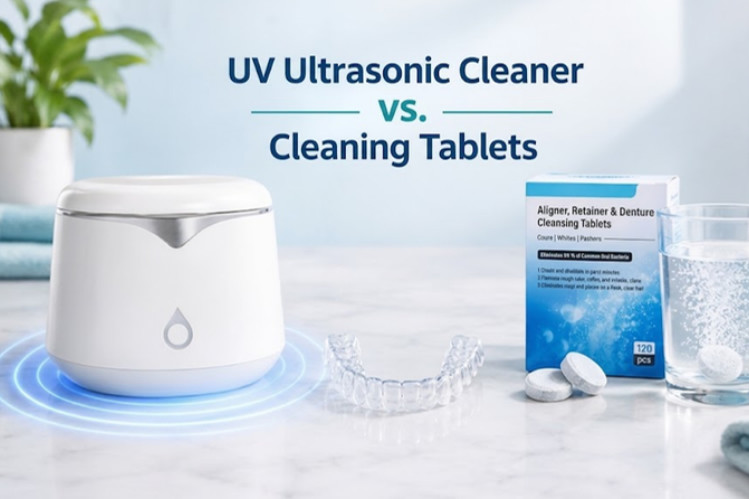 UV Ultrasonic Cleaner vs. Cleaning Tablets: Which Keeps Aligners Cleanest?
A UV ultrasonic cleaner offers a deeper, device-based cleaning approach, while cleaning tablets give you a simple soak-and-rinse option. Both can help remove daily buildup, but the way they clean your aligners is quite different.
Read More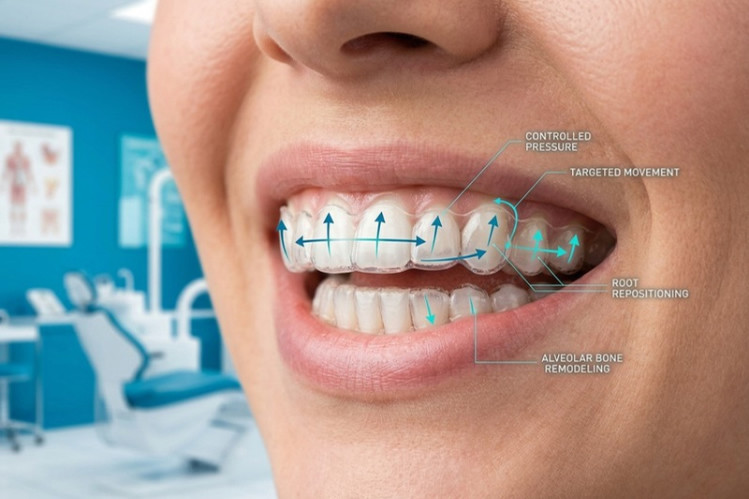 Science Behind a Perfect Smile: How Clear Aligners Shift Your Teeth Safely
Clear aligners work by applying controlled, gentle pressure to specific teeth, gradually guiding them into planned positions over time. Each custom-made aligner fits over the teeth and creates small movements according to a digital treatment plan. As the teeth respond to this pressure, the surrounding bone and periodontal ligament remodel to support their new positions. Caspersmile uses a planned series of clear aligners to guide tooth movement throughout treatment.
Read More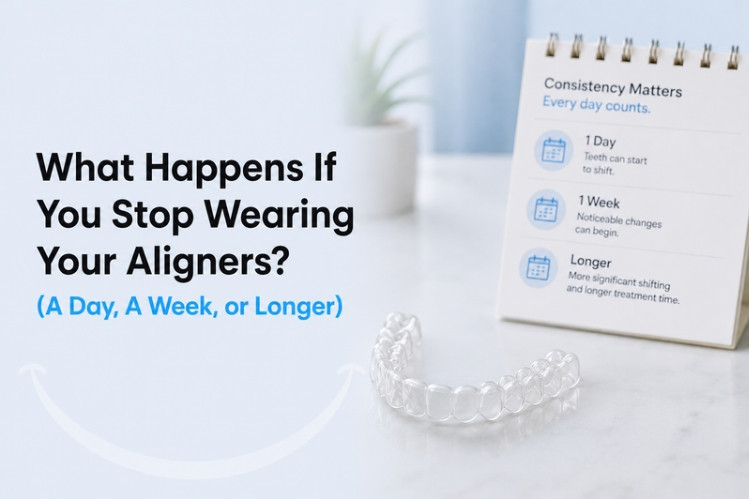 What Happens If You Stop Wearing Your Aligners? (A Day, A Week, or Longer)
If you stop wearing clear aligners, your teeth start drifting back toward their original position almost immediately, and the longer the break lasts, the harder it becomes to reverse. That's the short answer. But how much damage actually gets done depends on the timeframe. A missed evening is very different from a missed month.
Read More
 UK
 USA
 Australia