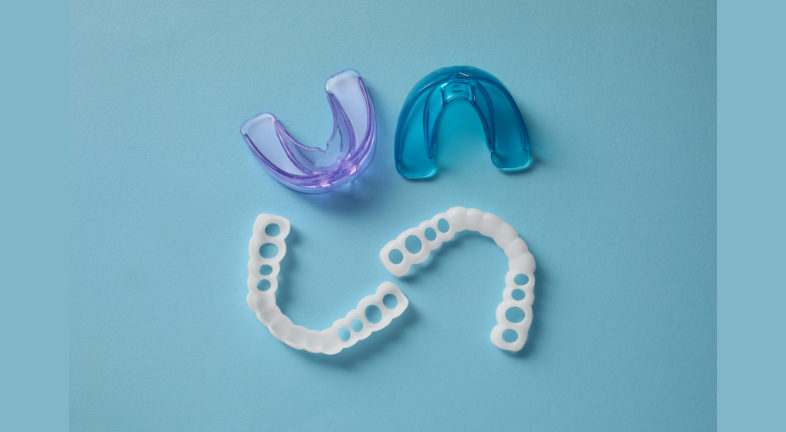
People don’t always think about how easy it is to damage a tooth. One wrong move in a football game, a trip on the pavement, or even just grinding in your sleep, and boom, chipped enamel or worse, a full-on dental emergency. Teeth look solid, but they’re actually pretty fragile when it comes down to it.
That’s where a mouth guard comes in. It’s basically a cover for your teeth. Easiest way to picture it? Like a helmet, but for your mouth. It takes the hit, spreads the pressure out, and stops your teeth from smashing against each other. Super simple, but it really does make a huge difference.
And no, there isn’t just one kind. You’ve got the cheap store-bought ones, the boil-and-bite kind you mold at home, and then the dentist-made custom ones that fit perfectly. Each has its ups and downs, and we’ll go through them so you know which might actually work for you.
At the simplest level, a mouth guard is just something you wear over your teeth to keep them safe. Some are custom-fitted by a dentist, others are generic ones you buy at the store, but the job is the same, protection. It’s like a cushion between your teeth and whatever force they might be up against.
People usually think of them for sports, football, basketball, hockey, but that’s not the only use. Mouth guards are also big for people who grind their teeth at night (bruxism) or deal with jaw problems like TMJ. They stop enamel from wearing down, ease pressure on the jaw, and keep teeth from chipping away while you sleep.
And just to clear this up, mouth guards are not the same thing as retainers or aligners. Retainers and aligners are about moving or holding your teeth in place after orthodontic treatment. Mouth guards don’t move your teeth at all. They’re strictly about protection, nothing else.
It’s easy to forget how fragile teeth really are. They look solid, like they can handle anything, but the truth is, it doesn’t take much. A ball to the face, a bad fall, or just years of clenching at night, and suddenly you’re looking at a crack, a chip, or worse, a dentist bill you didn’t plan for. That’s pretty much why mouth guards exist. They act like a buffer, taking the impact so your teeth don’t have to.
Without one, you’re looking at all sorts of injuries. Chipped edges, cracked enamel, even a tooth getting knocked out. Sometimes the damage isn’t just to teeth either; mouth guards also help protect the inside of your lips, cheeks, and tongue from cuts when there’s an impact.
And here’s the part people usually don’t think about: the cost difference. Fixing a broken tooth, a crown, or an implant is way more expensive than just wearing a mouth guard in the first place. Prevention always beats treatment, both for your wallet and your stress levels. Or else you will end up searching for the cost of Invisalign vs veneers .
There’s also the long-term side. Mouth guards don’t just stop the big, dramatic injuries; they also prevent slow wear and tear. Grinding your teeth every night without protection? That’s enamel loss, bite misalignment, and even TMJ problems down the road. A guard keeps all of that in check.
Not every mouth guard is the same. Some are cheap and quick fixes, others are more of an investment. Depends on what you actually need and how long you’re planning to use it. Let’s go through them.
These are the ones you just grab off a shelf. Pre-formed, nothing fancy. You buy them, pop them in, done.
Kind of the DIY version. You soften it in hot water, bite down, and it sort of molds to your teeth.
Now this is the top tier. A dentist and even online brands like Caspersmile make one based on your teeth, so it actually fits properly.
These are a different category. They’re not for sports, they are mouth guard for sleeping. If you grind or clench at night, this is what stops you from wrecking your enamel.
There are a few extras worth knowing:
So the big question is, what do mouth guards actually do? It’s not magic, it’s just mechanics. Here’s how they protect your teeth in different situations:
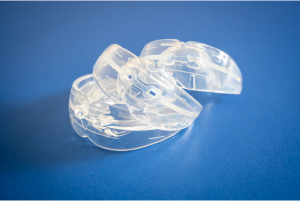
Mouth guards in the UK can cost anywhere from under £10 to over £300, depending on type, fit, and where you buy them. Here’s a quick breakdown so you can see the range:
| Type | Typical Price (UK) | What You Get | Notes |
|---|---|---|---|
| Stock Guards | £8–£15 | Pre-formed, straight out of the box. | Cheapest option, but usually bulky and uncomfortable. Works short-term, often for kids. |
| Boil-and-Bite Guards | £15–£30 | You soften them in hot water, then bite down to shape. | Better fit than stock, still budget-friendly, good for casual sports. |
| Custom Online Guards (Such as Caspersmile) | £100–£160 | Mail-in impression kits, lab-made guards. | Great middle ground, proper custom fit without dentist markups. Caspersmile is one of the more affordable options. |
| Dentist-Made Guards | £250–£350+ | Professional impression at the clinic, lab-made guard. | Best comfort, durability, and precision fit, but you pay for the dental visit. |
Honestly, a mouth guard is one of those little things that makes a big difference. It’s not complicated, it’s not some high-maintenance gadget, it’s just a simple layer of protection that can save you from a lot of pain (and bills) later on.
Think about it. One small guard can stop a chipped tooth from a weekend game, keep grinding from wrecking your enamel, or even help with jaw strain. That’s protection, confidence, and long-term savings all in one.
The key is just finding the right fit for you. So if you’re unsure, ask your dentist. They’ll know whether you need a sports guard, a night guard, or something custom. At the end of the day, it’s about keeping your teeth safe and your smile strong for the long haul.

Basically, it acts like a cushion. It absorbs pressure from grinding or impact from sports, so your teeth don’t take the full hit.
They can feel weird at first, and cheaper ones might not last long. If it’s not fitted right, it can even cause jaw discomfort.
Depends on the purpose. For sports, only while playing. For grinding, every night while you sleep.
Some do, but not all. Special ones called mandibular advancement devices reposition your jaw to keep airways open. Regular sports or night guards won’t help.
Teeth grinding can destroy enamel, lead to cracked teeth, and cause jaw pain. A guard is an easy prevention tool compared to fixing the damage later.
Over-the-counter ones can be as low as £15–£30. Dentist-made custom guards usually cost £250–£350+ in the UK.
Private dentist prices usually fall in that £250–£350+ range. But you can also get custom ones online, like Caspersmile, for around £135.
Stress management helps, plus a night guard to protect your teeth while you figure out the root cause. Some people also benefit from jaw exercises.
Yes, in terms of fit and durability. Store-bought is fine short-term, but a dentist (or custom lab) one will feel better and protect better in the long run.
Curated the best for your knowledge
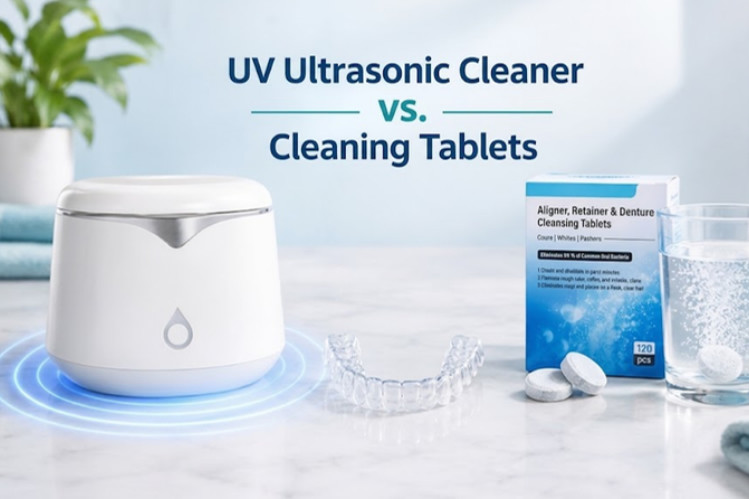 UV Ultrasonic Cleaner vs. Cleaning Tablets: Which Keeps Aligners Cleanest?
A UV ultrasonic cleaner offers a deeper, device-based cleaning approach, while cleaning tablets give you a simple soak-and-rinse option. Both can help remove daily buildup, but the way they clean your aligners is quite different.
Read More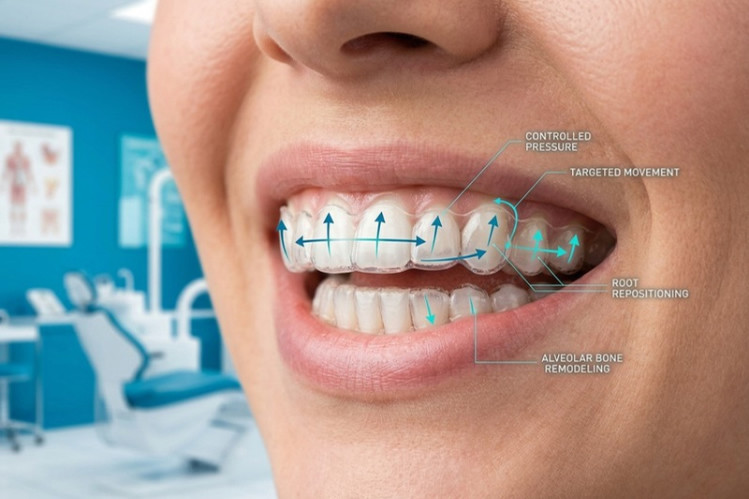 Science Behind a Perfect Smile: How Clear Aligners Shift Your Teeth Safely
Clear aligners work by applying controlled, gentle pressure to specific teeth, gradually guiding them into planned positions over time. Each custom-made aligner fits over the teeth and creates small movements according to a digital treatment plan. As the teeth respond to this pressure, the surrounding bone and periodontal ligament remodel to support their new positions. Caspersmile uses a planned series of clear aligners to guide tooth movement throughout treatment.
Read More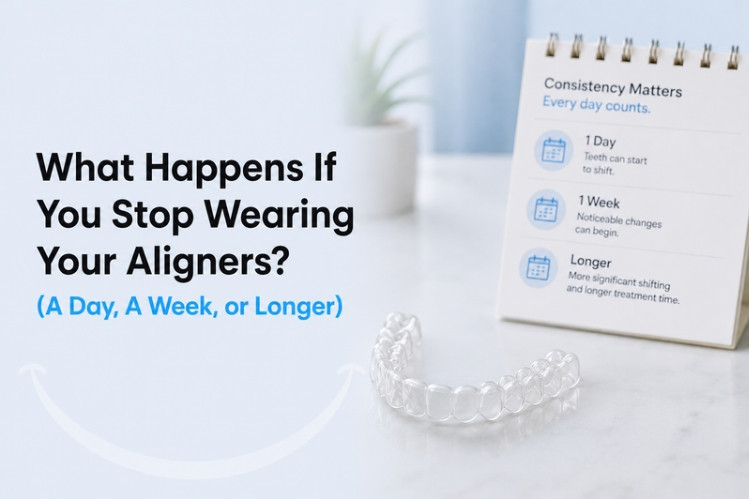 What Happens If You Stop Wearing Your Aligners? (A Day, A Week, or Longer)
If you stop wearing clear aligners, your teeth start drifting back toward their original position almost immediately, and the longer the break lasts, the harder it becomes to reverse. That's the short answer. But how much damage actually gets done depends on the timeframe. A missed evening is very different from a missed month.
Read More
 UK
 USA
 Australia