
Let's be honest here, crooked smiles are unique. But when your teeth start leaning like they're caught in a windstorm, it’s hard to ignore. Some teeth lean back, some lean forward, and all of a sudden, your big, happy smile is turned into a practiced, closed-mouth smile.
Slanted teeth, medically called misaligned teeth, are more than a cosmetic concern; the uneven teeth alignment can badly affect your oral health, impacting your confidence, your bite, and even your speech. But the good news is that metal braces are now a thing of the past. It's possible to straighten slanted teeth from the comfort of your home, with clear aligners, and without anyone looking at the metal on your smile.
In this blog, we will be talking about why teeth tilt, how clear aligners for tilted teeth actually work, and why aligners are the solution for misaligned teeth.
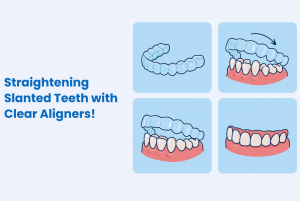
Whatever the cause, misaligned teeth can affect more than just your appearance; they can also lead to chewing difficulties, speech issues , and even jaw pain.
So, how to straighten slanted teeth without braces? The answer: clear aligners. Think of them as the invisible superheroes of orthodontics. These custom-fit, transparent trays gently push your teeth into better alignment over time. They're removable, nearly invisible, and way more comfortable than old-school options.
Here’s how it works:
Absolutely! One of the best parts about clear aligners is the option for at-home treatment. With many reliable providers offering remote clear aligner programs, you can skip the monthly clinic visits. These services typically include:
While severe misalignments might still require in-person care, fixing angled teeth at home has become a safe and convenient solution for many people.
Why choose aligners over traditional braces? Let’s break it down:
The market is flooded with brands offering clear aligners, and choosing the right provider for your clear aligners is a big decision. But we are here to help. Here are some top aligner brands you can check out if you want to fix your slanted teeth.
Whether your teeth are leaning left or right, or somewhere in the middle, don't worry. You don't need bulky hardware or countless orthodontic visits. Today, clear aligners for crooked teeth are a simple and casual way to get that smile you've always wanted from home. Whether you're preparing for a big life event or just want to look your best and feel good with your smile, clear aligners may be just the modern solution you're looking for!

Yes, clear aligners can gradually shift slanted teeth into proper alignment, especially for mild to moderate cases.
Yes, clear aligners can treat canted or tilted teeth by applying controlled pressure to reposition them over time.
Slanted teeth can be fixed using clear aligners, traditional braces, or, in some cases, cosmetic options like veneers (depending on severity)
No, clear aligners correct tooth alignment, not jaw structure. A slanted jaw may require orthodontic appliances or surgical intervention.
Curated the best for your knowledge
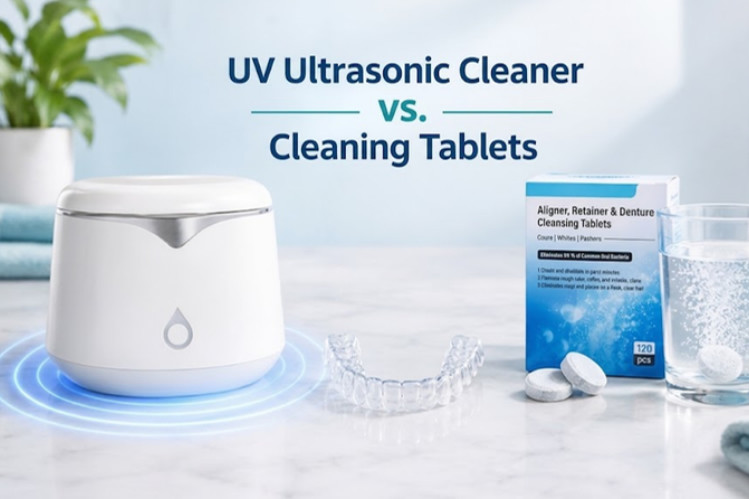 UV Ultrasonic Cleaner vs. Cleaning Tablets: Which Keeps Aligners Cleanest?
A UV ultrasonic cleaner offers a deeper, device-based cleaning approach, while cleaning tablets give you a simple soak-and-rinse option. Both can help remove daily buildup, but the way they clean your aligners is quite different.
Read More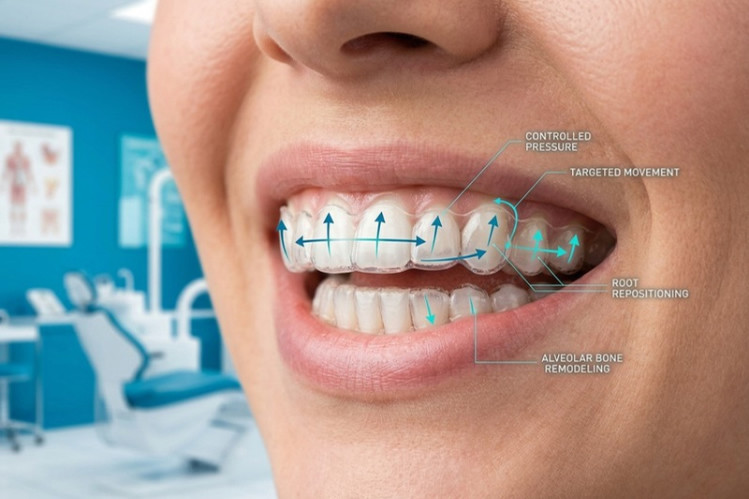 Science Behind a Perfect Smile: How Clear Aligners Shift Your Teeth Safely
Clear aligners work by applying controlled, gentle pressure to specific teeth, gradually guiding them into planned positions over time. Each custom-made aligner fits over the teeth and creates small movements according to a digital treatment plan. As the teeth respond to this pressure, the surrounding bone and periodontal ligament remodel to support their new positions. Caspersmile uses a planned series of clear aligners to guide tooth movement throughout treatment.
Read More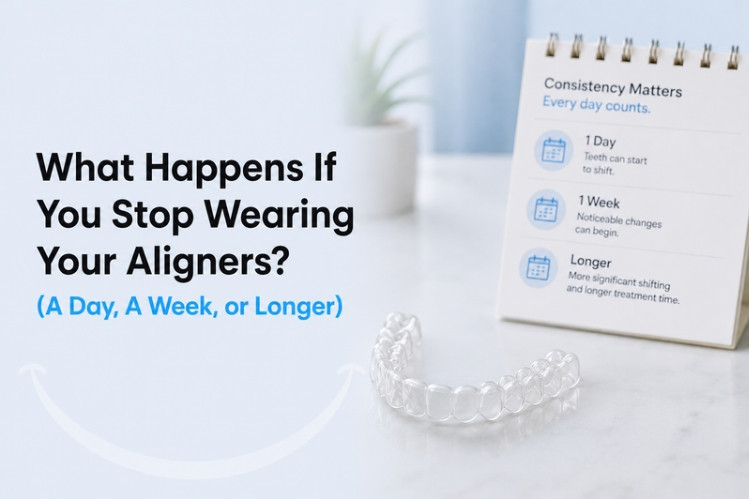 What Happens If You Stop Wearing Your Aligners? (A Day, A Week, or Longer)
If you stop wearing clear aligners, your teeth start drifting back toward their original position almost immediately, and the longer the break lasts, the harder it becomes to reverse. That's the short answer. But how much damage actually gets done depends on the timeframe. A missed evening is very different from a missed month.
Read More
 UK
 USA
 Australia