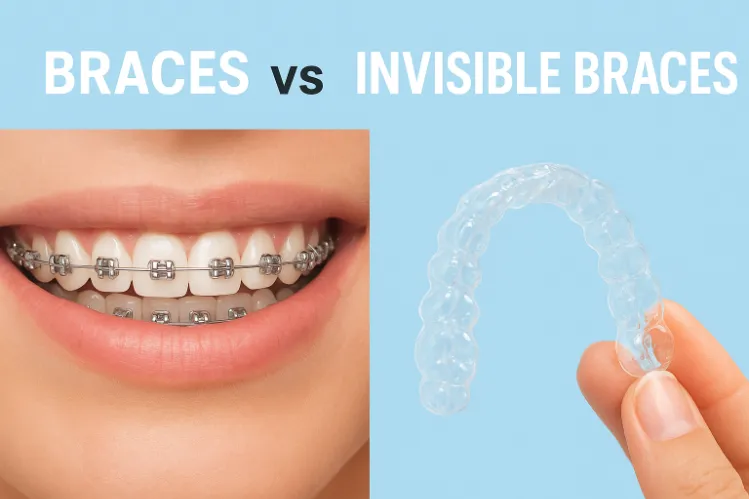
When it comes to straightening teeth, the debate of braces vs invisible braces is one almost everyone faces. Both options improve your smile and dental health, but the way they work, feel, and look can be very different. If you’re unsure whether to choose metal braces, clear braces (ceramic braces), or invisible aligners like Caspersmile , this guide will help you understand the pros, cons, and key differences.
Braces are one of the oldest ways to straighten teeth, and even today, they are still really common because they work so well. They are made of small brackets that stick to your teeth and are connected with wires. Most people get metal braces, but there are also ceramic ones if you want something that doesn’t stand out too much.
Pros of Braces:
Cons of Braces:

Invisible braces usually refer to clear aligners, such as Caspersmile, which are custom-made plastic trays that gently move your teeth. They are removable, discreet, and much more comfortable for many patients compared to fixed braces.
Pros of Invisible Braces (Clear Aligners):
Cons of Invisible Braces:
Are aligners better than braces? Not really. They both have their benefits, but there are some main differences between these two treatments. Let's discuss them one by one.
| Comparison | Key Difference |
|---|---|
| Metal braces vs Clear aligners | Metal braces are better for handling complex orthodontic issues, while clear aligners provide comfort and are almost invisible. |
| Clear braces vs Clear aligners | Clear braces are fixed to your teeth and slightly noticeable, whereas clear aligners are removable and virtually invisible. |
| Ceramic braces vs Clear braces | Ceramic braces are tooth-colored and blend with your teeth, while clear braces use transparent brackets for a subtle look. |
| Lingual braces vs Aligners | Lingual braces are hidden behind the teeth but can be harder to clean and adjust, while aligners are easier to manage and discreet. |
This answer depends on your personal needs. For example, if you only need minor corrections or are looking for discreet methods of teeth straightening, clear aligners are the perfect option . But if your case is complex and needs more regular supervision, braces are more suitable for you. Some orthodontists will even combine multiple methods to achieve your perfect results.
Choosing between traditional braces and invisible braces really comes down to what matters most to you: your lifestyle, budget, and dental needs. Braces are still a dependable option for more complex cases, while clear aligners give you the freedom, comfort, and subtle look many people prefer, and at the end of the day, the right choice is the one that aligns with both your smile goals and your everyday routine.

It really depends on your case. Braces are usually the go-to for more complicated dental issues, while invisible braces (clear aligners) are a comfy and discreet choice for mild to moderate problems.
Both can feel a bit uncomfortable in the beginning since your teeth are moving, but aligners are generally gentler. No wires or brackets poking your cheeks makes a big difference.
Yes, you totally can! You just need to pop them out before eating or drinking anything other than water.
They only work if you wear them consistently (about 20–22 hours a day), so discipline matters. Also, they’re not the best pick for very complex orthodontic cases.
Curated the best for your knowledge
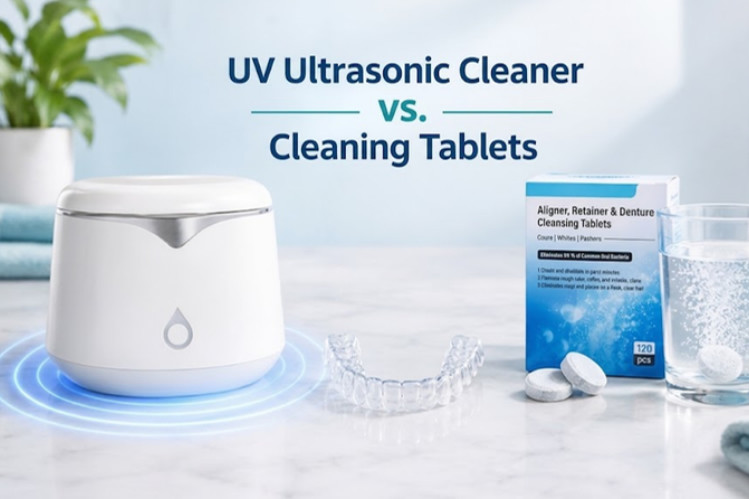 UV Ultrasonic Cleaner vs. Cleaning Tablets: Which Keeps Aligners Cleanest?
A UV ultrasonic cleaner offers a deeper, device-based cleaning approach, while cleaning tablets give you a simple soak-and-rinse option. Both can help remove daily buildup, but the way they clean your aligners is quite different.
Read More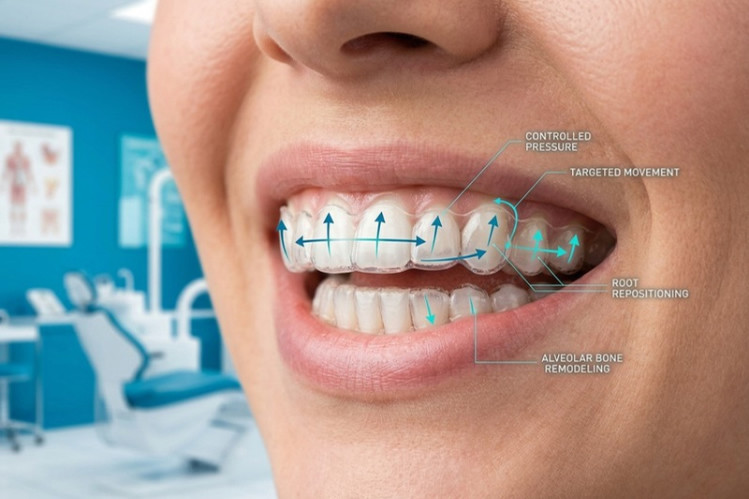 Science Behind a Perfect Smile: How Clear Aligners Shift Your Teeth Safely
Clear aligners work by applying controlled, gentle pressure to specific teeth, gradually guiding them into planned positions over time. Each custom-made aligner fits over the teeth and creates small movements according to a digital treatment plan. As the teeth respond to this pressure, the surrounding bone and periodontal ligament remodel to support their new positions. Caspersmile uses a planned series of clear aligners to guide tooth movement throughout treatment.
Read More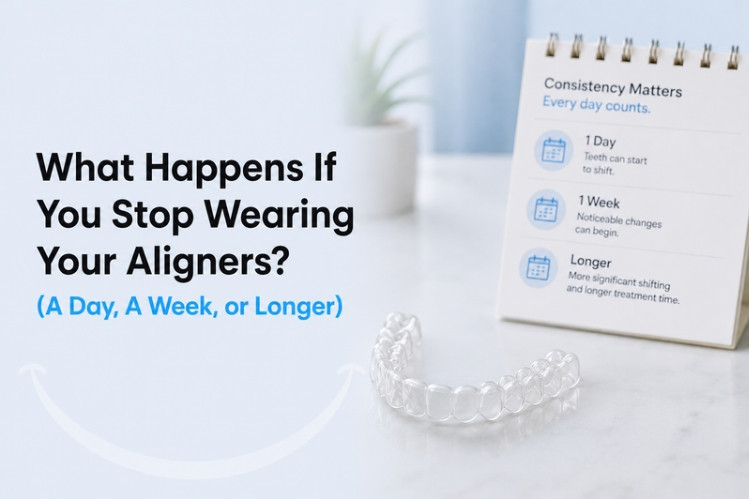 What Happens If You Stop Wearing Your Aligners? (A Day, A Week, or Longer)
If you stop wearing clear aligners, your teeth start drifting back toward their original position almost immediately, and the longer the break lasts, the harder it becomes to reverse. That's the short answer. But how much damage actually gets done depends on the timeframe. A missed evening is very different from a missed month.
Read More
 UK
 USA
 Australia