
 UK
 USA
 Australia
Key Takeaways
- Custom mouthguards for athletes are made from an individual impression of the athlete’s teeth.
- A properly fitted mouthguard helps reduce the incidence and severity of sports-related dental and orofacial injuries.
- Contact, collision, and high-velocity sports carry a higher risk of dental trauma, although injuries can also occur during activities such as gymnastics, skating, and cycling.
- Custom mouthguards offer an individually adapted fit, while boil-and-bite and stock mouthguards provide alternatives at different price points.
- A mouthguard provides protection when it stays securely in place and is worn during activities that carry a risk of oral injury.
- Regular cleaning and inspection help keep a sports mouthguard hygienic and usable.
- A damaged, worn, or poorly fitting mouthguard may require assessment or replacement.
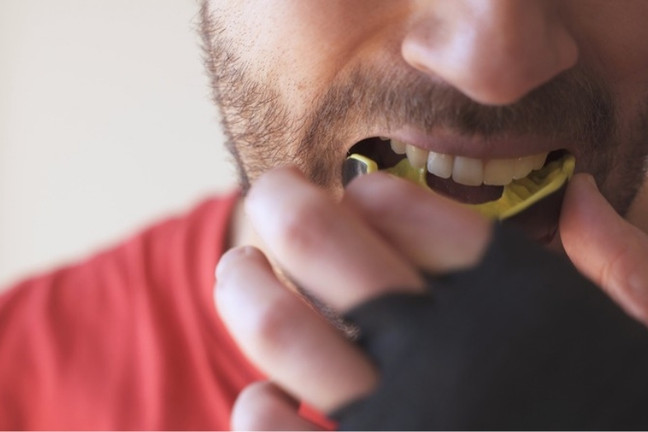
Custom mouthguards for athletes provide an individually fitted layer of protection between the teeth and the forces generated during sports. They are made from an impression of an athlete’s mouth, allowing the mouthguard to fit the dental arch more precisely than a generic stock appliance.
Properly fitted mouthguards help reduce the incidence and severity of sports-related dental injuries, particularly during activities with a significant risk of dental trauma.
Why Do Athletes Need Custom Mouthguards?
Sports-related impacts can injure the teeth, gums, lips, cheeks, and other oral structures. Contact and collision sports carry a particularly high risk, but dental injuries can also occur during some non-contact and recreational activities.
A mouthguard provides a resilient protective layer over the teeth and helps absorb or distribute some of the force generated by an impact. Consistent use also matters. An athlete who does not wear a mouthguard during training or competition does not receive its protective benefit when an impact occurs.
What Are Custom Mouthguards for Athletes?
Custom mouthguards are individually fabricated using an impression of an athlete’s teeth. Dental professionals or dental laboratories use these records to create a mouthguard adapted to the athlete’s oral structures.
This differs from a stock mouthguard, which comes ready-made in predetermined sizes, and a boil-and-bite mouthguard, which is softened and moulded by the wearer.
A custom sports mouthguard is designed around the individual shape of the dental arch. A properly fitted appliance also has adequate retention, meaning it stays in position without requiring constant repositioning.
How Does a Custom Mouthguard Protect Teeth?
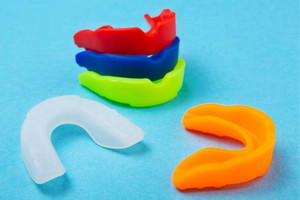
A sports mouthguard acts as a protective barrier around the teeth and nearby soft tissues. During an impact, the material can absorb and dissipate some of the force instead of allowing that force to act directly on the teeth and oral tissues.
Mouthguards help reduce the risk of sports-related dental and facial injuries. Wearing a properly fitted mouthguard during contact sports and other high-risk activities provides a protective barrier against impacts to the teeth, lips, cheeks, and jaw.
Protection is not limited to preventing chipped teeth. A properly fitted mouthguard also helps protect the lips and cheeks from contact with the teeth during an impact.
Dental injury prevention is different from concussion prevention. Evidence on whether mouthguards reduce concussion risk remains mixed. A mouthguard is primarily intended to protect the teeth and oral tissues and does not replace other sports-safety equipment.
Which Sports Require or Benefit From Mouthguards?
Mouthguards are particularly relevant to sports involving contact, collision, or fast-moving impacts.
Examples include:
- Football
- Rugby
- Boxing
- Martial arts
- Hockey
- Lacrosse
- Basketball
- Wrestling
- Handball
- Water polo
Dental injuries can also occur during activities such as gymnastics, skateboarding, cycling, skiing, surfing, volleyball, and racquet sports, even when physical contact is not a regular part of the activity.
Whether a mouthguard is mandatory depends on the sport, competition, governing organisation, and level of play. Athletes can check the specific rules for their sport and competition before participating.
Why Does Fit Matter in a Sports Mouthguard?
A mouthguard needs to remain securely positioned to provide consistent protection. A poorly fitting appliance can move during activity, feel uncomfortable, or require frequent repositioning.
A well-fitted sports mouthguard should sit securely over the teeth, feel comfortable during activity, stay in place without frequent adjustment, and allow normal breathing and speaking.
Fit also affects whether an athlete wears the mouthguard consistently. If an appliance feels bulky, repeatedly comes loose, or interferes with normal activity, regular use becomes more difficult. The signs your athletic mouthguard is a good fit include secure retention, comfort, and the ability to breathe without difficulty.
Custom vs Boil-and-Bite vs Stock Mouthguards
Athletes have three main mouthguard types to consider: custom-made, boil-and-bite, and stock.
| Mouthguard type | How it fits | Main characteristic |
| Custom-made | Created from an individual impression or digital scan | Individually adapted fit |
| Boil-and-bite | Softened and moulded at home | Adaptable fit at a lower cost |
| Stock | Predetermined size | Generic fit with limited adaptation |
Custom mouthguards are individually fabricated and offer greater opportunities for personalised fit and comfort. Boil-and-bite mouthguards can also provide a useful option when correctly moulded according to the manufacturer’s instructions. Stock mouthguards are the least adaptable because they are manufactured without an impression of the wearer’s mouth.
Custom mouthguards offer a personalised fit, but they are not the only option for sports protection. Properly fitted boil-and-bite and stock mouthguards can also help protect teeth during sports activities.
The appropriate choice depends on factors such as the athlete’s sport, injury risk, dental situation, fit requirements, and budget.
How to Care for a Custom Sports Mouthguard
A clean, intact mouthguard is easier to use consistently.
After use:
- Rinse the mouthguard with cool or lukewarm water.
- Clean it according to the manufacturer’s instructions.
- Allow it to dry before storing it.
- Keep it in a ventilated protective case.
- Store it away from excessive heat.
- Inspect it regularly for tears, cracks, thinning, or changes in fit.
Avoid exposing the appliance to high temperatures unless the manufacturer’s instructions specifically require it. Heat can alter the shape of some mouthguard materials.
Do not chew on the mouthguard. Repeated chewing can damage the material and affect its fit.
When Should Athletes Replace a Custom Mouthguard?
There is no single replacement interval that applies to every athlete. Replacement depends on the mouthguard’s condition, the athlete’s growth, and changes to the teeth or dental treatment.
Have the mouthguard assessed or replace it when:
- It becomes torn, cracked, or visibly damaged.
- The material becomes significantly worn or thin.
- It no longer stays securely in position.
- The fit changes noticeably.
- It becomes uncomfortable to wear.
- Dental treatment changes the shape or position of the teeth.
- A growing athlete’s mouth changes enough to affect the fit.
Young athletes require particular attention to fit because their teeth and jaws are still developing. A mouthguard that once fitted well may no longer provide the same level of fit after dental or growth-related changes.
A dental professional can assess whether the existing appliance remains suitable or whether replacement is appropriate.
Protect Your Smile During Every Game
Custom mouthguards for athletes provide an individually fitted layer of protection against sports-related dental injuries. Their fit, comfort, and ability to stay securely in place support consistent use during training and competition.
Although custom mouthguards offer a personalised fit, properly fitted boil-and-bite options can also provide protection. Regular cleaning, routine inspection, and timely replacement help maintain a mouthguard’s condition and suitability. Choosing the right mouthguard for the sport and wearing it consistently helps athletes protect their teeth and oral tissues during physical activity.

Heading