


Key Takeaways
- Aligners stop tracking when they no longer fit snugly against your teeth as originally planned.
- Insufficient wear time, warped plastic, or missing attachments are the main causes of poor tracking.
- Complex movements like rotations naturally take longer to move and can delay overall progress.
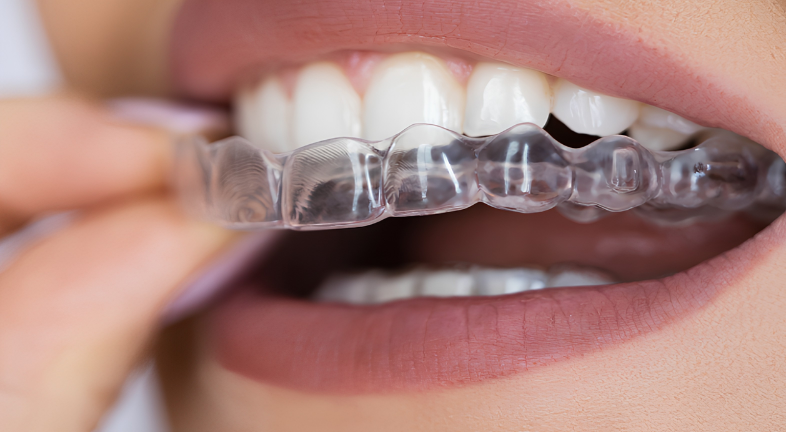
- Visible gaps along the biting edge or trays failing to snap in signal early tracking issues.
- Biting gently on chewies helps push the tray into full contact with your teeth to close gaps.
- Strictly sticking to twenty-two hours of daily wear keeps your treatment plan on schedule.
- Backtracking to a previous, well-fitting tray gives stubborn teeth extra time to catch up.
- Most tracking issues resolve with minor daily habits, so starting treatment over is rarely needed.
Aligners stop tracking when they no longer fit snugly against your teeth the way your treatment plan intended, and it's almost always caused by wear time, tray damage, or a movement that's simply taking longer than expected. The good news is that most of these issues can be corrected without starting over. Below, you'll find the real reasons why aligners stop tracking, how to spot the early signs, and the exact steps that get treatment back on schedule.
Why Are My Aligners Not Tracking My Teeth?
Tracking is really just a measure of how closely your aligner fits your teeth at any given stage. Each tray is built off a digital plan that maps out tiny, incremental movements. If your aligners are not tracking, the cause is usually one of a small handful of habits or conditions rather than something wrong with the treatment itself.
Insufficient Wear Time
Most providers recommend around 22 hours a day. Skip even an hour or two consistently, and your teeth simply don't get the steady pressure they need. Over a week or two, that gap compounds, and the next tray in the series won't seat properly.
Damaged or Warped Trays
Hot coffee, a dishwasher cycle, or a tray left in a hot car can all bend the plastic just enough to throw off the fit. It might look okay to the eye but still cause real clear aligner tracking issues underneath.
Complex Movements
Some tooth movements, like rotating a canine or extruding a tooth, are naturally slower and less predictable than simple tipping. Cases involving rotation and extrusion can lag behind other movement types, which explains why one stubborn tooth can hold up an otherwise smooth-running treatment.
If you want a deeper breakdown of everything that can throw off a tray's fit, our complete guide to clear aligner problems covers it in more detail.
How to Tell If Your Teeth Aren't Tracking With Aligners
Here's a quick way to check for teeth not tracking with aligners before assuming the worst:
| Warning Sign | Likely Cause |
| Visible gap near the biting edge | Tooth hasn't caught up yet |
| Tray won't snap fully into place | Fit issue or delayed movement |
| New tray feels unusually tight | Previous stage wasn't finished |
| Same tooth causing trouble every time | Attachment or complex movement |
| Fit uneven side to side | Uneven wear habits |
Catching these early makes fixing tracking problems a lot simpler than waiting until things feel completely off.
How to Get Aligners Back on Track
Fixing tracking issues usually starts with the basics before anything more involved. Here's what tends to work, in order of what to try first.
Use Chewies Daily
Biting down gently on foam chewies for a few minutes helps seat the tray fully against your teeth. It's a small habit, but it closes a lot of minor gaps on its own.
Get Serious About Wear Time
If you've been loose with the 22-hour rule, tighten up. Put trays back in immediately after meals, and treat removal time as the exception, not the routine.
Repeat the Last Tray
Wearing your previous, well-fitting tray for a few extra days lets slower teeth catch up before you move forward again. It's not a failure, just a reasonable adjustment.
Talk to Your Aligner Provider
If a gap doesn't close in several days, reach out. They may recommend refinement scans or a revised sequence to correct how to fix aligners not tracking for good.
Getting Your Smile Back on Schedule
Tracking problems feel frustrating in the moment, but they're a normal part of aligner treatment for a lot of people. Most cases resolve with a bit more discipline around wear time, consistent chewie use, and staying in close contact with your provider when something feels off. Catch the signs early, make small adjustments, and your treatment timeline should stay close to what was originally planned.




Heading