.webp)
Teeth whitening trays have become one of the most trusted ways to achieve a brighter smile at home. They’re affordable, effective, and, when used correctly, capable of delivering results that rival in-office treatments.
But success with whitening trays isn’t just about buying a kit. It’s about how you use it. From applying the right amount of gel to timing, aftercare, and consistency, small mistakes can make the difference between noticeable whitening and disappointing results.
If you’ve ever wondered how to use teeth whitening trays properly, how long to wear them, or whether at-home whitening actually works, this is the ultimate guide to using them.
Yes, when used correctly. Teeth whitening with trays at home works because they keep the whitening gel in direct contact with your enamel for a controlled period of time. This allows the active ingredients to do their job evenly and safely. However, the results depend on:
Most providers claim to give 5 shades whiter teeth with 30 minutes of daily use for about a week. This makes them ideal for people who want professional results without chair time.
.png)
Using whitening trays properly is essential for comfort, safety, and results. Here’s how to do it.
Always brush your teeth thoroughly at least 30 minutes before whitening. This removes any food debris that can block the gel from contacting the enamel evenly. Dry your teeth lightly before inserting trays. Excess moisture can dilute the gel and reduce effectiveness.
Apply a thin, even layer of whitening gel to the tray for both the upper and lower arches. More gel does not mean faster results. Overfilling can cause gum irritation without improving whitening.
Attach the mouth tray to the LED device and position it comfortably in your mouth. Turn on the light and allow it to activate the gel. The LED lights help speed up the whitening process by enhancing gel penetration, similar to professional whitening setups.
Most whitening trays should be worn for 20–30 minutes, depending on the product. Avoid eating, drinking, or talking excessively during whitening and for at least an hour after it.
Once finished, remove the tray, rinse your mouth thoroughly, and wash the tray with cool water. Proper cleaning prevents gel residue buildup and extends tray life.
Leaving trays in longer than the recommended time does not improve results and may increase sensitivity. Most professional-grade whitening trays are designed for daily use over several days, not prolonged sessions. With consistent use, many users see visible improvement within 3–5 days, and continued brightening over one to two weeks.
In many cases, yes.
Yellow teeth caused by diet, smoking, or ageing often respond very well to peroxide-based whitening trays. However, deep intrinsic stains or discoloration from medication may require professional evaluation and longer treatment.
Teeth whitening trays at home are most effective when expectations are realistic and treatment is consistent.
Many people assume whitening trays don’t work or cause problems, when the real issue is usage errors.
Using too much gel can irritate gums and reduce comfort. Similarly, skipping days breaks consistency and slows progress. Eating or drinking staining foods immediately after whitening can reverse results, too.
Then there’s the issue of using low-quality kits. They don’t perform as well and can be dangerous at times. In contrast, professional-grade at-home whitening systems are designed to deliver even results while protecting enamel.
Teeth whitening trays remain one of the most effective, affordable, and flexible ways to whiten your teeth at home. When paired with the right provider, correct technique, and consistent use, they deliver real, lasting results. Overall, they are totally safe to use, and, as explored in this guide, you’ve learnt how to use them correctly for best results.

Curated the best for your knowledge
 Are Ultrasonic Cleaners Worth It for Clear Aligners?
Yes, ultrasonic cleaners for clear aligners can be worth it, especially for removing plaque, debris, and buildup that regular brushing may miss. They use high-frequency sound waves to create tiny bubbles that help loosen buildup from the trays and other orthodontic appliances, including retainers, mouthguards, and night guards. However, they are not essential for everyone and have some limitations. Here’s how ultrasonic cleaners work, their benefits and drawbacks, and how to use one safely.
Read More The Aligner Diet: Can Clear Aligners Really Cause Weight Loss?
Some people notice they've lost a little weight after starting clear aligner treatment. It can happen, especially during the first few weeks, when taking the trays out for every meal and snack takes some getting used to. Sore teeth can also make eating less appealing for a day or two. The amount of weight lost varies from person to person, and not everyone experiences this change. Below, we'll break down why it happens, whether it's actually good for you, and what to know before treating your aligners like a diet plan.
Read More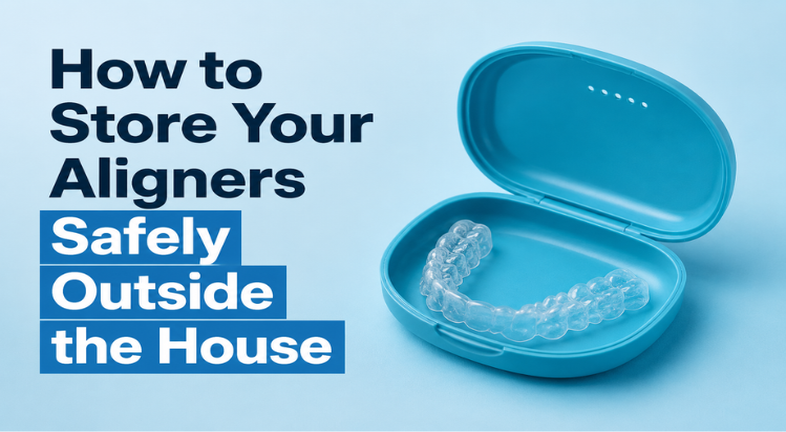 How to Store Your Aligners Safely Outside the House
Taking your clear aligners out while you're away from home is part of everyday life. The important part is knowing where to keep them until it's time to wear them again. Whether you're eating at a restaurant, traveling, running errands, or attending a social event, instead of leaving them on the table or wrapping them in a tissue or napkin, place them in a protective aligner case. Poor storage can lead to lost, damaged, or dirty aligners.
Read More


Heading