
Staying hydrated while wearing clear aligners is easy because you can drink plain water with the aligners in your mouth. That said, to drink anything other than plain water at room temperature, you need to remove your aligners first.
Overall, if you are sticking with the regular recommended water intake for hydration, aligners don’t interfere with that. However, if you are more inclined to have different sources for hydration, then you plan your aligner wear schedule around it. Here’s more.

In fact, drinking enough water is one of the best ways you can maintain hydration during treatment. Wearing clear aligners doesn’t mean you have to rethink staying hydrated. Water is safe to drink while wearing your aligners, and it helps rinse away food particles and bacteria that can build up between your teeth and trays.
It also keeps your mouth from feeling dry, which is especially helpful if you're prone to dry mouth while wearing aligners. Oral health and hydration are deeply connected, and clear aligners don’t interfere with them.
The key is to make water your go-to drink. Sugary beverages, coffee, tea, and sports drinks can get trapped beneath your aligners, increasing the risk of stains, bad breath, and tooth decay. If you want to enjoy anything besides water, simply remove your aligners first, then brush your teeth or rinse your mouth before putting them back in.
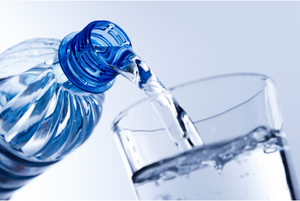
Follow these practical tips throughout the day to avoid dry mouth.
Keeping a water bottle with you makes it easier to sip water throughout the day instead of waiting until you're thirsty.
Water is the safest drink for your aligners. It keeps you hydrated without increasing the risk of stains, sugar buildup, or damage to your trays.
After meals or snacks, have a glass of water before putting your aligners back in. It helps you stay hydrated and rinses away leftover food particles.
If you often forget to drink water, use your phone or smartwatch to remind you to take a few sips every hour.
Foods like watermelon, cucumbers, oranges, strawberries, and lettuce contribute to your daily hydration while also providing important nutrients.
Too much coffee, alcohol, or caffeinated soft drinks can contribute to dehydration. If you have them, drink extra water afterward and only consume them with your aligners removed.
If your mouth feels dry while wearing aligners, increase your water intake throughout the day instead of drinking large amounts all at once. Small, frequent sips are often more effective.
Now, let’s address this. Yes, clear aligners can cause dry mouth, but it is usually just for the first few days. The plastic trays act as a physical barrier over your teeth, which can disrupt the normal flow and distribution of saliva. Wearing them can also encourage unconscious mouth breathing and change your drinking habits, leading to a parched feeling. But a simple hydration routine,
To overcome aligner fatigue during treatment , hydration plays an important role. And all it takes is a simple routine to drink plain water. However, if you’re more inclined to drink sports beverages or other sources, clear aligners don’t create an obstacle. Just remove them, follow any hydration program you like, rinse and brush your teeth, and wear aligners back. Still, sticking to plain water might be easier. With that, it’s a wrap; happy hydration.

Curated the best for your knowledge
 The Aligner Diet: Can Clear Aligners Really Cause Weight Loss?
Some people notice they've lost a little weight after starting clear aligner treatment. It can happen, especially during the first few weeks, when taking the trays out for every meal and snack takes some getting used to. Sore teeth can also make eating less appealing for a day or two. The amount of weight lost varies from person to person, and not everyone experiences this change.
Read More Are Clear Aligners Right for You? Common Dental Issues They Can Fix
Clear aligners can straighten mild to moderate cases of crowding, spacing, crooked teeth, and certain bite concerns without the appearance of metal brackets. These custom-made, transparent trays gradually apply controlled pressure to guide teeth into better positions, making them a discreet and convenient teeth-straightening option for eligible individuals.
Read More Why Your Aligners Stop Tracking and How to Fix It
Aligners stop tracking when they no longer fit snugly against your teeth the way your treatment plan intended, and it's almost always caused by wear time, tray damage, or a movement that's simply taking longer than expected. The good news is that most of these issues can be corrected without starting over. Below, you'll find the real reasons why aligners stop tracking, how to spot the early signs, and the exact steps that get treatment back on schedule.
Read More
 UK
 USA
 Australia
Heading