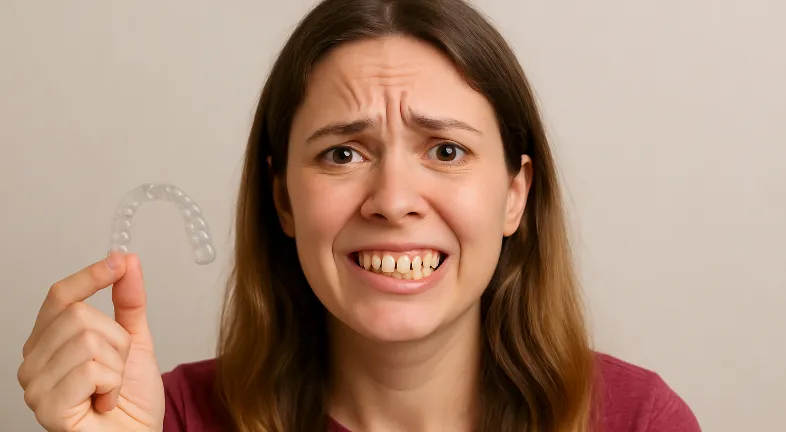
Let's be honest here, crooked smiles are unique. But when your teeth start leaning like they're caught in a windstorm, it’s hard to ignore. Some teeth lean back, some lean forward, and all of a sudden, your big, happy smile is turned into a practiced, closed-mouth smile.
Slanted teeth, medically called misaligned teeth, are more than a cosmetic concern; the uneven teeth alignment can badly affect your oral health, impacting your confidence, your bite, and even your speech. But the good news is that metal braces are now a thing of the past. It's possible to straighten slanted teeth from the comfort of your home, with clear aligners, and without anyone looking at the metal on your smile.
In this blog, we will be talking about why teeth tilt, how clear aligners for tilted teeth actually work, and why aligners are the solution for misaligned teeth.
.png)
Whatever the cause, misaligned teeth can affect more than just your appearance; they can also lead to chewing difficulties, speech issues , and even jaw pain.
So, how to straighten slanted teeth without braces? The answer: clear aligners. Think of them as the invisible superheroes of orthodontics. These custom-fit, transparent trays gently push your teeth into better alignment over time. They're removable, nearly invisible, and way more comfortable than old-school options.
Here’s how it works:
Absolutely! One of the best parts about clear aligners is the option for at-home treatment. With many reliable providers offering remote clear aligner programs, you can skip the monthly clinic visits. These services typically include:
While severe misalignments might still require in-person care, fixing angled teeth at home has become a safe and convenient solution for many people.
Why choose aligners over traditional braces? Let’s break it down:
The market is flooded with brands offering clear aligners, and choosing the right provider for your clear aligners is a big decision. But we are here to help. Here are some top aligner brands you can check out if you want to fix your slanted teeth.
Whether your teeth are leaning left or right, or somewhere in the middle, don't worry. You don't need bulky hardware or countless orthodontic visits. Today, clear aligners for crooked teeth are a simple and casual way to get that smile you've always wanted from home. Whether you're preparing for a big life event or just want to look your best and feel good with your smile, clear aligners may be just the modern solution you're looking for!

Curated the best for your knowledge
 Are Ultrasonic Cleaners Worth It for Clear Aligners?
Yes, ultrasonic cleaners for clear aligners can be worth it, especially for removing plaque, debris, and buildup that regular brushing may miss. They use high-frequency sound waves to create tiny bubbles that help loosen buildup from the trays and other orthodontic appliances, including retainers, mouthguards, and night guards. However, they are not essential for everyone and have some limitations. Here’s how ultrasonic cleaners work, their benefits and drawbacks, and how to use one safely.
Read More The Aligner Diet: Can Clear Aligners Really Cause Weight Loss?
Some people notice they've lost a little weight after starting clear aligner treatment. It can happen, especially during the first few weeks, when taking the trays out for every meal and snack takes some getting used to. Sore teeth can also make eating less appealing for a day or two. The amount of weight lost varies from person to person, and not everyone experiences this change. Below, we'll break down why it happens, whether it's actually good for you, and what to know before treating your aligners like a diet plan.
Read More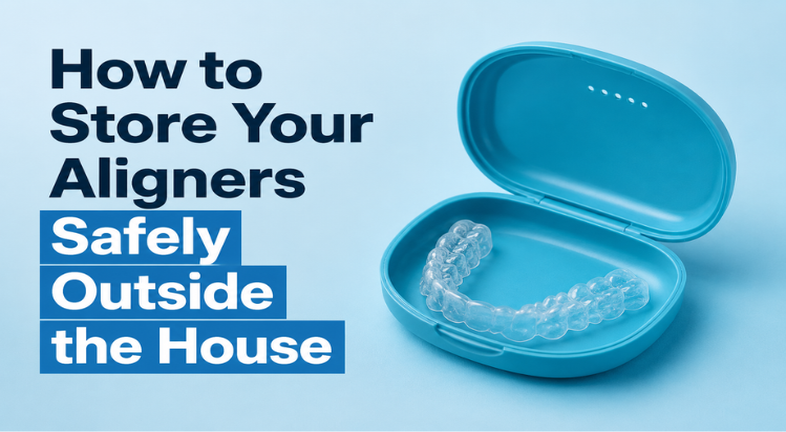 How to Store Your Aligners Safely Outside the House
Taking your clear aligners out while you're away from home is part of everyday life. The important part is knowing where to keep them until it's time to wear them again. Whether you're eating at a restaurant, traveling, running errands, or attending a social event, instead of leaving them on the table or wrapping them in a tissue or napkin, place them in a protective aligner case. Poor storage can lead to lost, damaged, or dirty aligners.
Read More



Heading