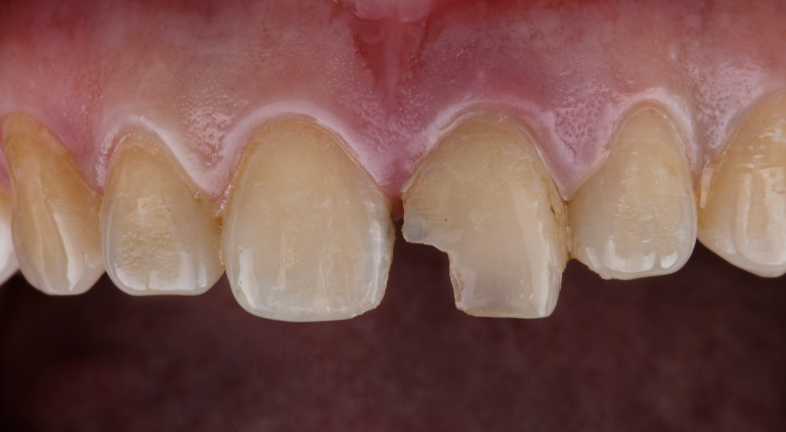
Chipping a tooth can happen to anyone, one wrong bite on something hard, a fall, or even grinding your teeth too much at night. It might look or feel small, but that little chip can cause sensitivity, pain, or bigger damage if ignored.
The good news? Fixing a chipped tooth doesn’t always mean breaking the bank. Let’s go through what really affects the chipped tooth repair cost, what options you’ve got, and how to know which one’s right for you.
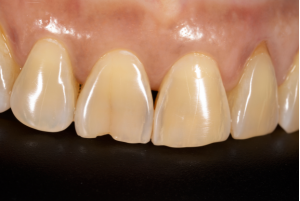
A chipped tooth isn’t always an emergency, but it’s never something you should just ignore. Sometimes it’s just the enamel that’s damaged, and it only needs a quick polish or bonding. Other times, the chip goes deeper, and that’s when it can expose the nerve or make the tooth more sensitive to heat, cold, or pressure.
You might notice:
If that’s the case, it’s time to see a dentist before it turns into a full crack or infection.
Not every chip is treated the same way. The cost to fix a chipped tooth depends on:
Basically, the more damage and detail involved, the higher the chipped tooth repair cost. So, let’s break down the different treatments and what you can actually expect to pay.
Here’s a quick look at the most common ways to repair a chipped tooth and what each might set you back:
| Treatment | Best For | Average Cost (UK) | Durability |
|---|---|---|---|
| Dental Bonding (Composite) | Small chips, front teeth | £200-£400 per tooth | 3–10 years |
| Filling (Amalgam) | Minor chips on back teeth | £60–£150 per tooth | 5–10 years |
| Veneers | Cosmetic front-tooth repairs | £400–£1,400 per veneer | 10–15 years |
| Crown | Larger breaks or deep chips | £400–£1,200 per tooth | 10–15 years |
| Root Canal + Crown | Chips exposing the nerve | Root Canal: £300 and £800 per tooth Crowns: £600 to £1000 per crown |
Long-term protection |
So, depending on the damage, the cost of fixing a chipped tooth can be anywhere from under £100 to over £1,000 - but the earlier you get it fixed, the cheaper it usually is.
Yes - and you definitely should.
A chipped back tooth might not affect your smile, but it plays a big role in chewing. If you leave it, the chip can get deeper and lead to fractures or decay.
For smaller chips, a simple filling or bonding can work. If the chip’s big or the tooth is weakened, your dentist may recommend a dental crown to protect it long-term.
So even though you might not see the damage, fixing it quickly saves you pain (and money) down the line.
Not really. Most chipped tooth repairs are done under local anesthesia, and for small chips, you might not even need it. The dentist smooths out the edge or applies resin for bonding - quick, easy, and painless.
For deeper chips that need a crown or root canal, there might be mild soreness afterward, but it’s easily managed with over-the-counter pain relief.

It depends on why you’re getting it fixed.
If it’s purely cosmetic, you’ll likely need to go private.
If you can’t get to a dentist right away:
These steps can help prevent further damage until you get professional care.
Once you’ve chipped a tooth, you’ll definitely want to keep it from happening again. The good news? A few small habits can make a big difference.
| Type | Purpose | Best Option |
|---|---|---|
| Cosmetic Repair | For looks only (e.g., front teeth chips) | Veneers or bonding |
| Restorative Repair | For strength and function | Crowns or fillings |
| Combination Repair | Cosmetic + functional | Veneer + bonding or crown |
If your chip affects how your teeth look and function, your dentist might mix treatments for the best long-term result.
If you have chipped teeth, here are the main points to remember:
With that, it’s a wrap.
A chipped tooth isn’t the end of the world. But it’s definitely not something you should ignore. Whether it’s a chipped back tooth that’s making it hard to chew or a small front chip that’s throwing off your smile, there’s always a way to repair a chipped tooth without breaking the bank.
The cost of fixing a chipped tooth really depends on how bad the damage is and the type of treatment you go for. The good news is, most fixes are quick, painless, and built to last.
If you handle it early, you’ll save yourself the extra cost (and discomfort) that comes with waiting too long. So, don’t stress, just get it checked and get your smile back.

Curated the best for your knowledge
 Are Ultrasonic Cleaners Worth It for Clear Aligners?
Yes, ultrasonic cleaners for clear aligners can be worth it, especially for removing plaque, debris, and buildup that regular brushing may miss. They use high-frequency sound waves to create tiny bubbles that help loosen buildup from the trays and other orthodontic appliances, including retainers, mouthguards, and night guards. However, they are not essential for everyone and have some limitations. Here’s how ultrasonic cleaners work, their benefits and drawbacks, and how to use one safely.
Read More The Aligner Diet: Can Clear Aligners Really Cause Weight Loss?
Some people notice they've lost a little weight after starting clear aligner treatment. It can happen, especially during the first few weeks, when taking the trays out for every meal and snack takes some getting used to. Sore teeth can also make eating less appealing for a day or two. The amount of weight lost varies from person to person, and not everyone experiences this change. Below, we'll break down why it happens, whether it's actually good for you, and what to know before treating your aligners like a diet plan.
Read More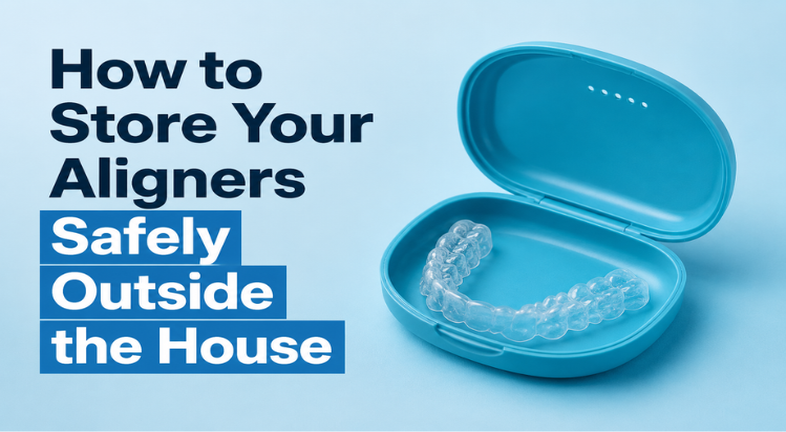 How to Store Your Aligners Safely Outside the House
Taking your clear aligners out while you're away from home is part of everyday life. The important part is knowing where to keep them until it's time to wear them again. Whether you're eating at a restaurant, traveling, running errands, or attending a social event, instead of leaving them on the table or wrapping them in a tissue or napkin, place them in a protective aligner case. Poor storage can lead to lost, damaged, or dirty aligners.
Read More


Heading