Clear aligners and retainers are designed to improve your smile quietly and comfortably. But because they sit tightly against your teeth for hours every day, they also collect saliva, plaque, bacteria, and food residue. Without proper care, that buildup can lead to bad breath, cloudiness, stains, or even gum irritation.
Cleaning your aligners and retainers isn’t just about appearance. It’s about hygiene, comfort, and protecting the progress you’ve already made. The good news is to take care of clear aligners you don’t require complicated tools or expensive products. What matters most is choosing the right aligner cleaner and sticking to a routine that fits your lifestyle.
This guide breaks down the top 5 clear aligner and retainer cleaners, explains why they work, and shows you how to use them properly so your trays stay clear, fresh, and comfortable from day one to the last.
Aligners and retainers create a warm, enclosed environment against your teeth. That environment is ideal for bacterial growth if cleaning is inconsistent. Over time, poor hygiene can lead to plaque buildup, unpleasant odours, cloudy trays, and irritated gums.
Regular cleaning helps:
Simply put, clean trays support better oral health and better treatment results.
Not every cleaning method is safe for plastic orthodontic appliances. The best retainer cleaner or aligner cleaner should meet a few essential criteria.
First, it must be gentle on plastic. Hot water, abrasive toothpaste, or harsh chemicals can warp or scratch trays, permanently damaging their fit and clarity. Second, it should effectively remove bacteria and odours, including buildup in tiny crevices that brushing alone may miss. Third, it needs to be easy to use. A routine that’s too complicated won’t last, no matter how effective it sounds. Finally, good cleaners should offer value. Overly harsh or improper methods can lead to early replacement, which costs more in the long run.
There’s no single “perfect” cleaner for everyone. The best approach often combines daily care with occasional deeper cleaning. Here are five of the most effective and commonly recommended methods.
.webp)
For everyday maintenance, nothing beats simplicity. Using a soft-bristle toothbrush with mild, fragrance-free soap under lukewarm water is one of the safest ways to clean aligners and retainers.
This method removes saliva and surface plaque without scratching the plastic. It’s easy to do at home or while travelling and works well when used consistently. Avoid toothpaste here. Even non-whitening formulas can be abrasive and leave micro-scratches that trap bacteria over time.
Effervescent aligner cleaning tablets are one of the most popular and dentist-recommended solutions for deeper cleaning. These tablets dissolve in water and release gentle cleaning agents that help lift bacteria, plaque, and odours from the surface of trays.
Products like tablets to clean retainers or well-known options such as Brite retainer cleaner are especially useful if trays start to smell or look dull despite daily brushing. They’re easy to use and ideal for weekly or as-needed deep cleaning.
If you’ve ever wondered how to use retainer brite, the process is simple: dissolve a tablet in lukewarm water, soak your trays for the recommended time, then rinse thoroughly before wearing.
Baking soda is a gentle, natural cleaner that helps neutralise odours and reduce bacterial growth. A mild soak using baking soda and water can be helpful when you want an alternative to commercial products.
This method works well for deodorising trays, but it should be used sparingly and never with excessive scrubbing. Baking soda is effective, but overuse can still dull the surface if applied too aggressively.
Many people search how to clean retainers with vinegar or how to clean my retainer naturally. Vinegar can disinfect, but it’s acidic and should only be used occasionally and heavily diluted. Frequent use may damage the plastic over time.
%20(2).webp)
Ultrasonic cleaners use vibration and water to dislodge debris from tiny crevices that brushing can’t reach. These devices are especially useful for people who wear aligners or retainers for long hours or struggle with plaque buildup.
While not essential for everyone, ultrasonic cleaners can be a good investment for long-term retainer wearers, night guard users, or those prone to rapid buildup. They work best when paired with water or a mild cleaning solution rather than harsh chemicals.
One of the most underrated habits is rinsing your trays every time you remove them. Allowing saliva to dry on aligners hardens plaque and increases odour.
Rinsing immediately, followed by a nightly soak in water or a mild solution, helps prevent buildup before it starts. This routine supports all other cleaning methods and keeps trays fresher between deep cleans.
A good routine doesn’t need to be complicated.
Each time you remove your aligners or retainer, rinse them under lukewarm water. This prevents saliva and debris from drying onto the surface. Once or twice daily, gently brush them using a soft toothbrush and mild soap.
Every few days or once a week, use aligner cleaning tablets or a baking soda soak for deeper cleaning. If you wear your trays overnight or for extended hours, a deeper clean becomes even more important.
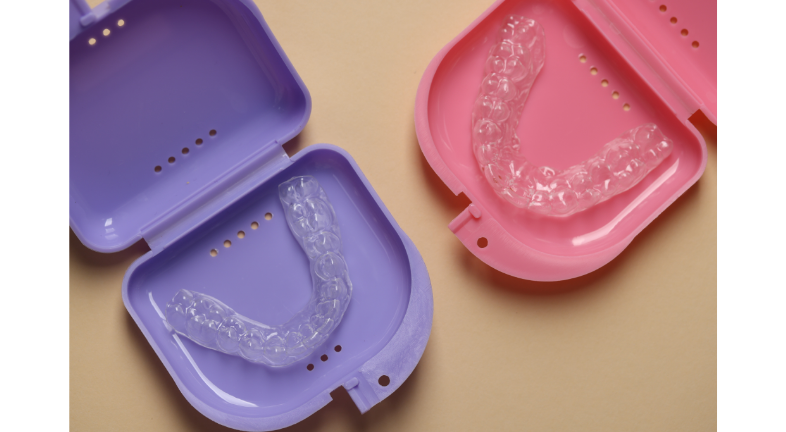
Always store aligners in a ventilated case when not in use. Avoid wrapping them in tissues or leaving them exposed, where bacteria and damage are more likely.
Clean aligners aren’t just about comfort. Poor hygiene allows bacteria to thrive, increasing the risk of plaque buildup, gum inflammation, bad breath, and even tooth decay.
Cloudy or warped trays may not fit correctly, which can reduce the effectiveness of treatment. Over time, damaged trays may need to be replaced sooner than expected.
Consistent retainer cleaning protects both your oral health and your investment in teeth straightening.
Keeping your aligners and retainers clean is a small daily habit with big long-term benefits. With gentle daily brushing, periodic deep cleaning using tablets or baking soda, and mindful storage, your trays can stay clear, odour-free, and comfortable throughout treatment.
There’s no need for harsh chemicals or complicated routines. Choose the cleaning method that fits your lifestyle and stick with it. Clean aligners support healthier gums, fresher breath, and smoother treatment progress.
Good habits today help protect your smile tomorrow.

Curated the best for your knowledge
 Are Ultrasonic Cleaners Worth It for Clear Aligners?
Yes, ultrasonic cleaners for clear aligners can be worth it, especially for removing plaque, debris, and buildup that regular brushing may miss. They use high-frequency sound waves to create tiny bubbles that help loosen buildup from the trays and other orthodontic appliances, including retainers, mouthguards, and night guards. However, they are not essential for everyone and have some limitations. Here’s how ultrasonic cleaners work, their benefits and drawbacks, and how to use one safely.
Read More The Aligner Diet: Can Clear Aligners Really Cause Weight Loss?
Some people notice they've lost a little weight after starting clear aligner treatment. It can happen, especially during the first few weeks, when taking the trays out for every meal and snack takes some getting used to. Sore teeth can also make eating less appealing for a day or two. The amount of weight lost varies from person to person, and not everyone experiences this change. Below, we'll break down why it happens, whether it's actually good for you, and what to know before treating your aligners like a diet plan.
Read More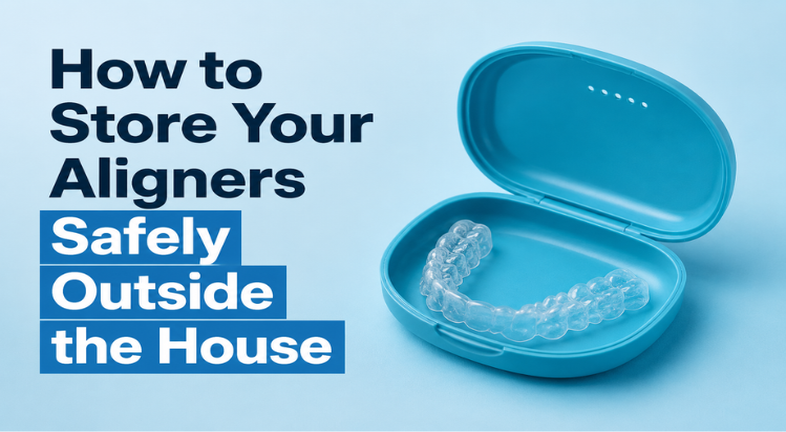 How to Store Your Aligners Safely Outside the House
Taking your clear aligners out while you're away from home is part of everyday life. The important part is knowing where to keep them until it's time to wear them again. Whether you're eating at a restaurant, traveling, running errands, or attending a social event, instead of leaving them on the table or wrapping them in a tissue or napkin, place them in a protective aligner case. Poor storage can lead to lost, damaged, or dirty aligners.
Read More


Heading