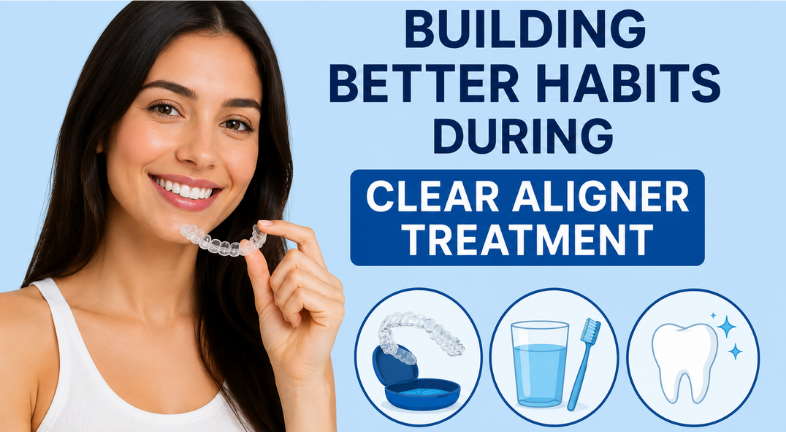
Building better habits during clear aligner treatment can help you stay consistent with aligner wear, oral hygiene, and your treatment plan. Simple routines, such as wearing your aligners as directed, cleaning them regularly, and keeping track of your wear time, can make treatment easier to manage and help you stay on schedule.
In this guide, we’ll cover the most important habits during clear aligner treatment and practical ways to make them part of your daily routine.
Your daily habits can affect how well you follow your clear aligner treatment plan. Wearing your aligners consistently, keeping them clean, and following your provider's instructions helps keep treatment on track and reduces avoidable problems.
Clear aligner treatment success habits help you:
Successful clear aligner treatment depends on more than simply wearing your trays. The habits you follow each day can affect your wear time, oral hygiene, aligner condition, and overall treatment routine.
Wear your aligners for 20–22 hours a day. Remove them only for:
Consistent, clear aligner wear habits allow your teeth to move as planned. Use reminders or follow a set routine to avoid forgetting to put your aligners back in.
Always place your aligners in their case when you are not wearing them. This helps prevent:
Replacing lost aligners can delay your treatment.
Clean your teeth before putting your aligners back in.
If brushing isn't possible, rinse your mouth with water to remove food particles.
Daily cleaning keeps your aligners clear and hygienic.
Use:
Avoid:
Frequent snacking means removing your aligners more often, reducing wear time. Whenever possible, stick to:
This makes it easier to meet the recommended daily wear time.
Only plain water is safe to drink while wearing aligners. Remove them before drinking:
These drinks can stain aligners, trap sugar against your teeth, or warp the plastic if they're hot.
Switch to your next set of aligners every 10 days or exactly as directed in your treatment plan. Changing them too early or too late can affect tooth movement. Stay on schedule by using:
Healthy teeth and gums are essential during aligner treatment.
Make sure you:
Good oral hygiene helps prevent plaque buildup, cavities, and gum problems.
Keep a travel kit with you to maintain your routine wherever you go. Include:
Tracking your progress can help you stay motivated. You can:
While wearing a clear aligner, you should avoid certain habits to keep your treatment ongoing according to plan and achieve your desired results for a confident smile. These include:
Staying motivated throughout clear aligner treatment does not have to be complicated. Consistent wear, proper oral hygiene, regular aligner cleaning, and safe storage can help you follow your treatment plan and avoid preventable setbacks.
The key is to make these habits part of your normal daily routine. When aligner care becomes automatic, it is easier to stay consistent throughout treatment and work toward the smile you want.

Curated the best for your knowledge
 Are Ultrasonic Cleaners Worth It for Clear Aligners?
Yes, ultrasonic cleaners for clear aligners can be worth it, especially for removing plaque, debris, and buildup that regular brushing may miss. They use high-frequency sound waves to create tiny bubbles that help loosen buildup from the trays and other orthodontic appliances, including retainers, mouthguards, and night guards. However, they are not essential for everyone and have some limitations. Here’s how ultrasonic cleaners work, their benefits and drawbacks, and how to use one safely.
Read More The Aligner Diet: Can Clear Aligners Really Cause Weight Loss?
Some people notice they've lost a little weight after starting clear aligner treatment. It can happen, especially during the first few weeks, when taking the trays out for every meal and snack takes some getting used to. Sore teeth can also make eating less appealing for a day or two. The amount of weight lost varies from person to person, and not everyone experiences this change. Below, we'll break down why it happens, whether it's actually good for you, and what to know before treating your aligners like a diet plan.
Read More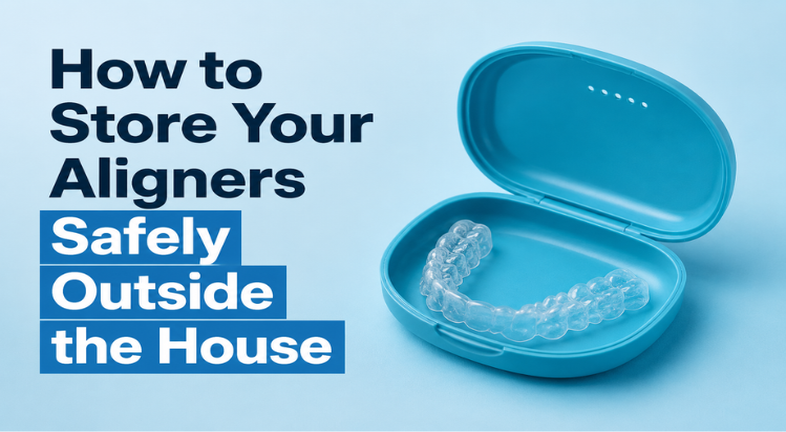 How to Store Your Aligners Safely Outside the House
Taking your clear aligners out while you're away from home is part of everyday life. The important part is knowing where to keep them until it's time to wear them again. Whether you're eating at a restaurant, traveling, running errands, or attending a social event, instead of leaving them on the table or wrapping them in a tissue or napkin, place them in a protective aligner case. Poor storage can lead to lost, damaged, or dirty aligners.
Read More



Heading