
With rising prices of dental treatments, many people in the UK might be asking: Can you get braces for free? The answer is: Yes, but a few conditions apply. There is the possibility of having braces free in the UK through NHS facilities; however, they do have selective criteria for free dental braces eligibility in UK and mostly accept young patients who have specific clinical needs. Therefore, these treatments are quicker and offer more options when taken privately, but, of course, they come at a cost.
This guide discusses NHS orthodontic treatment, who is entitled to it, the differences between it and private care, and what you need to know about funding orthodontics in the UK.
Yes, you can—but mostly if you're a child or teenager and your case is medically necessary. The NHS won’t cover braces for minor or cosmetic concerns. So, how to get braces through the NHS? It all starts with a visit to your general dentist, who must first assess your teeth and refer you to an NHS orthodontist if they believe treatment may be needed.
From there, an orthodontist assesses your condition using something called the Index of Orthodontic Treatment Need (IOTN). Only those who score a 4 or 5, meaning severe dental issues, automatically qualify. Those with a grade of 3 might still be accepted, depending on how the issue affects your appearance and daily life.
The NHS has strict guidelines. Children and teenagers under 18 are the primary group eligible for free NHS braces, but they still require a referral from a dentist and a qualifying IOTN score. Adults can only get NHS-funded braces in rare cases where there’s significant pain or functional issues. Cosmetic reasons won’t cut it. So yes, free treatment is available, but only if it’s clinically necessary.
If you qualify, the NHS typically provides traditional fixed metal braces. These are very effective for most alignment problems. The NHS also covers all check-ups, adjustments, and retainers after your braces come off. What it won’t cover are cosmetic upgrades such as clear aligners or ceramic braces. One big downside? The wait times. In some areas, it can take six months to two years to start treatment due to limited NHS resources.

When considering braces in the UK, one of the most common questions is: How much are braces in the UK for under 18s? If eligible, patients under 18 can receive braces free of charge on the NHS, offering significant financial relief to many families. However, NHS treatment comes with strict criteria and long waiting lists.
In contrast, private orthodontic treatment offers faster access, more flexibility, and a wider range of options like clear aligners or ceramic braces, but it comes at a cost. Metal braces privately can cost between £1,800 to £3,000. Ceramic or clear braces are more expensive, ranging from £2,000 to £5,000, depending on complexity and the clinic. Private clinics may also offer payment plans or financing options, which allow you to spread the cost over several months or years.
If your child is under 18, they might qualify for free NHS braces—but only if they meet the clinical requirements. The catch? Treatment must start before they turn 18. Your child’s dentist will need to refer them for an orthodontic assessment. If they’re approved, they go on a waiting list. It's smart to get the ball rolling early to avoid aging out of the system. If they don’t qualify, private care is still an option, with faster access and more choices.
The UK’s NHS system is designed to prioritize treatment for those who need it most. Orthodontic funding in the UK is therefore focused on medical necessity rather than cosmetic improvement. This is why only grades 4 or 5 on the IOTN scale qualify for NHS support. The goal is to ensure that NHS funds go to patients whose dental health and function are affected by their misalignment.
However, growing demand has strained NHS resources, resulting in long waiting times and limited availability for orthodontic appointments. For patients who don’t meet NHS criteria or wish to skip the waiting list, private funding options are widely available. These include 0% financing, monthly installment plans, and dental insurance plans that include orthodontic coverage.
| Factor | NHS Treatment | Private Treatment |
| Cost | Free (if eligible) | Expensive but flexible |
| Waiting Time | Long (6-24 months) | Short (1-4 weeks) |
| Type of Braces | Metal only | Metal, ceramic, clear, lingual |
| Customization | Basic | High |
| Age Limit | < 18 typically | No age limit |
Take Sophie, a 14-year-old from Birmingham. Her dentist spotted a major overbite and referred her to the NHS. She was given an IOTN grade of 5, making her eligible. However, the NHS waiting list in her area was over 14 months. Her parents decided to go private, choosing ceramic braces for £2,800. They started treatment within weeks and used a 24-month interest-free payment plan to spread out the cost.
If the NHS denies your application for braces, don’t panic. First, ask for your IOTN grade and a copy of the decision. You may appeal the result, though success is rare unless you can demonstrate a serious functional issue. Many families in this situation explore private options.
The good news is that private orthodontic care is more accessible than ever. Clear aligners from companies like Caspersmile offer complete treatment plans starting from £749, with monitoring and flexible payment options. This makes private braces a realistic option even for those on a tight budget.
.webp)
At-home teeth straightening brands like Caspersmile make it easy to achieve a straighter smile, without dealing with traditional metal braces. It’s a convenient and modern alternative for fixing crooked teeth and getting the confident smile you’ve always wanted. From your initial assessment to receiving your custom-made aligners, everything is handled remotely and shipped straight to your door. With flexible plans available, you can choose between daytime or nighttime wear, whichever fits your lifestyle best.
Getting braces for free through the NHS can be a great option—if you qualify. However, the strict rules and long waiting lists can make the process frustrating. For children under 18 with serious dental issues, NHS treatment is the best path. However, if you're an adult or fall into a borderline category, private treatment might be your only option. The good news? Private orthodontics has become more accessible thanks to advances in technology and more affordable pricing. Clear aligners, flexible payment plans, and convenient at-home treatment kits have made it easier than ever to get the smile you've always wanted.

Curated the best for your knowledge
 Are Ultrasonic Cleaners Worth It for Clear Aligners?
Yes, ultrasonic cleaners for clear aligners can be worth it, especially for removing plaque, debris, and buildup that regular brushing may miss. They use high-frequency sound waves to create tiny bubbles that help loosen buildup from the trays and other orthodontic appliances, including retainers, mouthguards, and night guards. However, they are not essential for everyone and have some limitations. Here’s how ultrasonic cleaners work, their benefits and drawbacks, and how to use one safely.
Read More The Aligner Diet: Can Clear Aligners Really Cause Weight Loss?
Some people notice they've lost a little weight after starting clear aligner treatment. It can happen, especially during the first few weeks, when taking the trays out for every meal and snack takes some getting used to. Sore teeth can also make eating less appealing for a day or two. The amount of weight lost varies from person to person, and not everyone experiences this change. Below, we'll break down why it happens, whether it's actually good for you, and what to know before treating your aligners like a diet plan.
Read More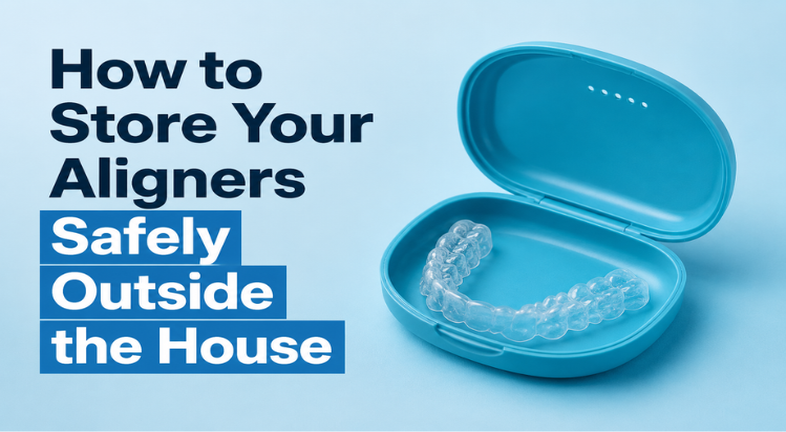 How to Store Your Aligners Safely Outside the House
Taking your clear aligners out while you're away from home is part of everyday life. The important part is knowing where to keep them until it's time to wear them again. Whether you're eating at a restaurant, traveling, running errands, or attending a social event, instead of leaving them on the table or wrapping them in a tissue or napkin, place them in a protective aligner case. Poor storage can lead to lost, damaged, or dirty aligners.
Read More


Heading