
Table of Content
Your mouth isn’t just for eating and talking. It can give you clues about your overall health. From gum disease to bad breath, the state of your mouth can say a lot about what’s happening in the rest of your body. Let's dive into how your oral health is connected to your general well-being and how to spot potential health issues through changes in your mouth.

Your mouth is a window to your body’s overall health. Many health problems can manifest symptoms in your mouth. For instance, gum disease isn’t just a dental issue—it can affect your entire body. Inflammation from gum disease can spread, increasing your risk of heart disease, diabetes, and respiratory issues. Maintaining good oral hygiene is essential not only for a healthy smile but also for a healthy body.
1. Heart Disease: The inflammation from gum disease can contribute to heart problems. Bacteria from your gums can enter your bloodstream, leading to the formation of arterial plaques. These plaques can cause heart attacks and strokes.
2. Diabetes: If you have diabetes, you’re more likely to develop gum disease. High blood sugar levels can make infections more likely. Conversely, gum disease can make it harder to control your blood sugar levels, creating a vicious cycle.
3. Respiratory Problems: Bacteria from your mouth can be inhaled into your lungs, causing infections like pneumonia, especially in people with compromised immune systems or the elderly.
Taking care of your mouth can significantly impact your overall health. Here are some easy steps to maintain good oral hygiene:
Saliva plays a crucial role in maintaining your oral health. It helps neutralize acids produced by bacteria in your mouth, washes away food particles, and aids in digestion. Here’s why saliva is so important:
1. Neutralizing Acids: Saliva helps keep the pH balance in your mouth, preventing tooth decay and gum disease. When you eat, bacteria in your mouth produce acids that can erode your tooth enamel. Saliva neutralizes these acids, protecting your teeth from decay.
2. Washing Away Food: Saliva removes food particles and debris, reducing the risk of cavities and gum infections. It also helps prevent the build-up of plaque, a sticky film of bacteria that can lead to tooth decay and gum disease.
3. Aiding Digestion: Saliva contains enzymes that begin the digestion process in your mouth. These enzymes break down starches into simpler sugars, making it easier for your body to digest food. Additionally, saliva helps form food into a bolus, a small, manageable ball that makes swallowing easier and more efficient.
4. Protecting Tissues: Saliva coats and protects the tissues inside your mouth. It contains proteins and minerals that help repair the soft tissues and enamel on your teeth. This protective barrier helps prevent infection and keeps your mouth healthy.
If you experience dry mouth, it can lead to problems like bad breath, tooth decay, and gum disease. Dry mouth, or xerostomia, can result from medications, certain medical conditions, or radiation therapy for cancer. Staying hydrated, chewing sugar-free gum, and using saliva substitutes can help stimulate saliva production and maintain oral health.

Bad breath is more than just an embarrassment; it can also indicate underlying health problems. Let’s explore the causes and implications of halitosis:
1. Oral Causes:
2. Systemic Causes:
Addressing bad breath typically starts with improving oral hygiene practices. However, if the problem persists, it might be wise to visit a healthcare provider to rule out other health conditions.
Tooth decay is a prevalent issue that can have more significant health implications than just cavities. Here’s how tooth decay can affect your overall health:
1. Diet and Oral Health:
2. Impact on Nutrition:
3. Connection to Chronic Diseases:

Gum disease, or periodontal disease, is a significant oral health problem with wide-reaching effects on overall health. Here’s a closer look at the impact of gum disease:
Paying attention to changes in your gums and tongue can give you important clues about your health. Here’s what to look for:
Swollen or Bleeding Gums: If your gums are red, swollen, or bleed when you brush or floss, it could be a sign of gum disease. This might also be an indicator of other health issues like diabetes. Healthy gums should be firm and pink.
Receding Gums: If your gums are pulling away from your teeth, it can make your teeth look longer and expose the roots, leading to sensitivity and increased risk of cavities. This can happen from brushing too hard, gum disease, or hormonal changes.
White-Coated Tongue: A white coating on your tongue can mean poor oral hygiene, dehydration, or even oral thrush, which is a fungal infection. Keeping your tongue clean by brushing it or using a tongue scraper can help.
Red or Inflamed Tongue: If your tongue is red and inflamed, it might be due to a lack of certain vitamins, like B12 or iron, or an allergic reaction. Eating a balanced diet can help keep your tongue healthy.
If you notice any of these changes, it’s a good idea to check with your dentist or doctor to make sure everything is okay.
Understanding the connections between oral health and overall health highlights the importance of maintaining good oral hygiene. Issues like bad breath, tooth decay, and gum disease can all be indicators of broader health problems. By taking care of your mouth, you’re also taking care of your body. Regular dental visits, proper brushing and flossing, a balanced diet, and avoiding tobacco are all crucial steps in ensuring both your oral and general well-being. If you notice any changes in your oral health, don’t hesitate to seek professional advice. Your mouth can be a window to your overall health, providing early warnings about potential health issues.

Curated the best for your knowledge
 Are Ultrasonic Cleaners Worth It for Clear Aligners?
Yes, ultrasonic cleaners for clear aligners can be worth it, especially for removing plaque, debris, and buildup that regular brushing may miss. They use high-frequency sound waves to create tiny bubbles that help loosen buildup from the trays and other orthodontic appliances, including retainers, mouthguards, and night guards. However, they are not essential for everyone and have some limitations. Here’s how ultrasonic cleaners work, their benefits and drawbacks, and how to use one safely.
Read More The Aligner Diet: Can Clear Aligners Really Cause Weight Loss?
Some people notice they've lost a little weight after starting clear aligner treatment. It can happen, especially during the first few weeks, when taking the trays out for every meal and snack takes some getting used to. Sore teeth can also make eating less appealing for a day or two. The amount of weight lost varies from person to person, and not everyone experiences this change. Below, we'll break down why it happens, whether it's actually good for you, and what to know before treating your aligners like a diet plan.
Read More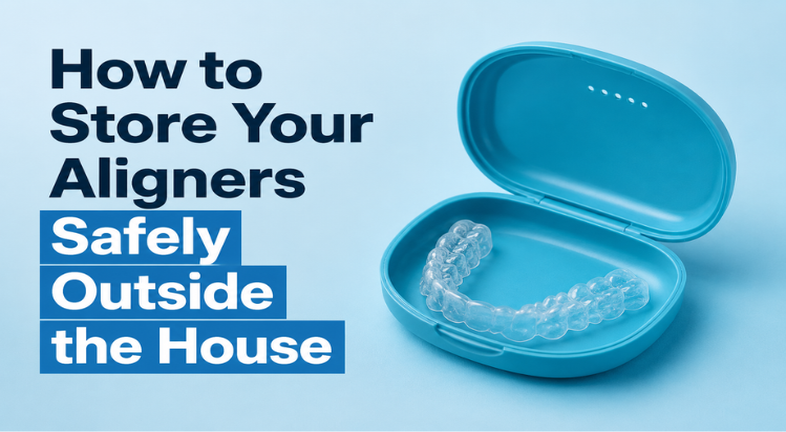 How to Store Your Aligners Safely Outside the House
Taking your clear aligners out while you're away from home is part of everyday life. The important part is knowing where to keep them until it's time to wear them again. Whether you're eating at a restaurant, traveling, running errands, or attending a social event, instead of leaving them on the table or wrapping them in a tissue or napkin, place them in a protective aligner case. Poor storage can lead to lost, damaged, or dirty aligners.
Read More



Heading