Table of Content
- What Causes Tooth Sensitivity?
- What to Do About Tooth Sensitivity
- How to Avoid Further Damage
- Seeing the Dentist
When the enamel of your teeth is worn away, it can lead to tooth sensitivity towards both hot and cold food and beverages. This can cause a lot of discomfort and a degree of pain that can vary depending on how much of the enamel has stripped from the tooth’s themselves. If you’re looking to treat the problem, then there are certainly ways to go about it so that you can help reduce the sensitivity and pain that you feel.
What Causes Tooth Sensitivity?
The hard enamel is a protection to your teeth, and it’s the reason we need to be vigilant when it comes to brushing our teeth as well as doing all the relevant flossing and mouth wash where preferred. Tooth sensitivity is located in the layer below the enamel and is caused by the stimulation of these tubes that are microscopic. It’s usually a short, sharp pain whenever the area is exposed to hot or cold temperatures in both food and beverages. You might also find it to be the case when it comes to the air around you, too, on a particularly cold day, for example.
Another way that tooth sensitivity occurs is when there are cracks in the tooth’s enamel. Extreme temperature can cause these cracks and allows these hot or cold sensations to reach the nerves and cause that short, sharp pain.
What to Do About Tooth Sensitivity
Even though the damage is caused to the enamel, there are ways that you can help rebuild the enamel on the tooth so that you reduce the amount of tooth sensitivity that you experience.
The type of toothpaste you use can help increase the effects of tooth sensitivity and these are often ones that are whitening toothpaste or are high in sodium pyrophosphate. It’s important that you’re testing out the different kinds of toothpaste on the market and finding the best one that helps reduce your tooth’s sensitivity. It’s good to use the products for at least a month to see which one is effective, but you might find that one or two provide immediate results in just a couple of days.
If you have braces or clear aligners, it’s important you’re taking extra care when brushing your teeth. It’s a little more restrictive with some braces, and so you need to be detailed in your brushing so that you keep them clean. Your dentist will be able to give you a good rundown on how to brush your teeth properly when having braces or clear aligners as part of your dental health.
When it comes to certain foods and drinks, it might be worth staying away from certain foods that are triggering the sensitivity and opting for an alternative. This might not need to be the case, but just until you’re enamel has been repaired somewhat and isn’t causing you so much pain. Dental pain can affect the rest of the body, and so you don’t want to constantly be putting your body through that stress on purpose. Try to avoid extreme temperature foods and beverages where possible.
How to Avoid Further Damage
Avoiding further damage is important because you can get to a point where you’ve worn away so much enamel that it starts to affect the stability of the tooth itself. By taking the extra steps and precautions, you can help avoid further damage.
Take it easy on your teeth when it comes to brushing. If you’re brushing too vigorously and with hard-bristled brushes, you’re going to wear down the tooth’s root surface, and that can end up causing sensitivity. Your toothbrush’s bristles should be straight and not pointing out in different directions or flattened. You don’t want to be putting too much-unwanted pressure on your teeth, so be careful. Make sure that you’re brushing for the optimum amount of time tooth because some may tend to brush for a lot shorter period than is necessary. In order to clean your teeth properly, the two-minute rule should be something to stick by.
Some foods can actually aggravate your sensitive teeth, especially those that have acidic elements to them like oranges, lemons, etc. Avoiding these might really help to contribute to healthier and happier teeth overall. As mentioned above, foods and drinks that are extreme temperatures should also be skipped.
In terms of cosmetic dental treatment, teeth whitening can affect the enamel on your teeth and can end up causing your teeth to be sensitive over time. If you’re experiencing this, it’s worth avoiding regular trips to the dentist for teeth whitening and instead opting for the occasional visit. Pearly whites at the expense of your tooth’s enamel are something that’s not worth doing, especially with the pain that comes with it.
Seeing the Dentist
It’s important to always be attending your dental appointment once a year or more frequently if you come across any issues with your teeth themselves. If you find that you’re experiencing more tooth sensitivity than normal, then it’s worth checking in with your dentist. It might be that you need work done to your teeth in order to help keep those exposed nerves under control. Any severe level of pain in your teeth should always be a warning sign that something is wrong.
Your dentist might also be able to make suggestions on what the best options are for toothpaste, toothbrushes, and other ways to help maintain the health of your teeth and gums in general. Listen to the advice of your dentist, because they know what’s what.
Tooth sensitivity is common for many of us, and depending on your brushing technique and simply the overall health of your mouth, some can suffer more from it than others. Make sure that you’re following all the tips to help treat tooth sensitivity as well as making sure you prevent it from getting any worse and causing further damage. Look after your teeth, just like you would any other part of your body, and see a dentist if you experience any severe tooth pain.

 Are Ultrasonic Cleaners Worth It for Clear Aligners?
 The Aligner Diet: Can Clear Aligners Really Cause Weight Loss?
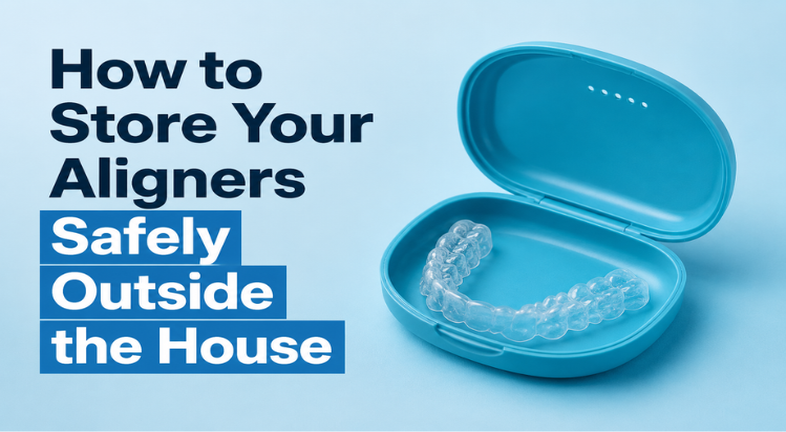 How to Store Your Aligners Safely Outside the House



Heading