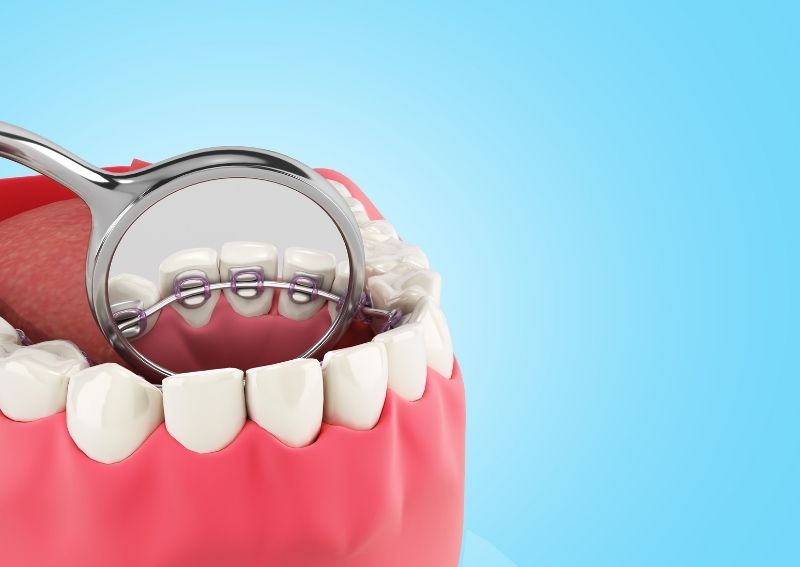
When it comes to lingual braces, the first thing people will see is the price, and if you’ve ever Googled “how much are lingual braces in the UK?” you’ll know that they sit at the premium end of orthodontics. But why? And more importantly, are they worth it? This brings up some good questions, like what causes them to be more expensive? Why are they considered premium? Are they really as hidden as they claim to be?
In this guide, we will look at as much as we can about the average costs of lingual braces in the UK and the reasons they have a premium, custom fittings, and a specialist orthodontic skill set.
We will discuss the benefits of lingual braces, their aesthetic advantages, and how effective they can be for various dental issues, along with some of the pitfalls, such as discomfort and adjustment time.
We will also help you identify who the best candidates are for them and compare them to clear aligners, so you have as much information as you need to make an informed decision.
Lingual braces work the same way as traditional braces: they use brackets and wires to apply continuous, gentle pressure to move your teeth into better alignment. The difference? They’re placed on the back side of your teeth (the side facing your tongue, or “lingual” side).
That positioning makes them invisible from the front, no wires, no brackets, no “train track” look in your selfies or meetings.
You might also hear them called:
They’ve been around for decades, but modern technology, including 3D scanning and custom-made brackets, has made them more comfortable, efficient, and precise than ever.
.png)
Here’s where reality sets in: lingual braces are one of the most expensive orthodontic treatments available in the UK.
| Treatment Type | Average Price Range |
| Lingual Braces (Standard) | £3,000 – £7,000 |
| Traditional Metal Braces | £1,500 – £3,000 |
| Ceramic Braces | £2,000 – £4,500 |
| Clear Aligners | £2,000 – £3,500 |
The price of hidden braces, or lingual braces, encompasses various factors that contribute to their overall cost beyond just the materials used.
While the hidden braces price may seem high, it is rooted in a combination of bespoke solutions, specialized training, intricate treatment processes, advanced lab work, and the complexity of individual alignment challenges. This comprehensive approach ultimately aims to ensure that patients receive effective and customized orthodontic care.
.png)
Here’s a difference between lingual and traditional braces;
Lingual braces are positioned on the inner surface of your teeth, making them completely hidden from view. This makes them a popular choice for individuals who want to straighten their teeth discreetly without the noticeable appearance of metal brackets. In contrast, traditional braces are fully visible on the front of your teeth, which means they are more obvious when you speak or smile.
When it comes to price, lingual braces are the more expensive option, typically ranging between £3,000 and £7,000. This higher cost is due to the customisation required and the complexity of fitting them behind the teeth. Traditional braces, on the other hand, are much more budget-friendly, usually costing between £1,500 and £3,000, making them accessible to a wider range of patients.
Lingual braces may cause irritation to the tongue, especially during the initial adjustment period, as the brackets are in direct contact with the tongue’s surface. Traditional braces can also cause discomfort, but this is usually felt on the lips and cheeks instead. Over time, both types of braces become more comfortable as your mouth adapts.
Because of their placement behind the teeth, lingual braces can sometimes lead to a temporary lisp while you adjust to speaking with them. This usually improves over time. Traditional braces rarely affect speech, as the brackets are placed on the outer surface of the teeth.
Lingual braces can treat most orthodontic issues, including crowding, gaps, and bite problems. However, they may not be ideal for very severe cases due to space limitations behind the teeth. Traditional braces, on the other hand, can handle all orthodontic cases, from mild to highly complex.
With lingual braces, appointments may take longer because they are more challenging for the orthodontist to access and adjust. Traditional braces typically require shorter adjustment visits, making them a more convenient option for some patients.
So, if appearance is your top concern and budget is less of an issue, lingual braces are the clear winner. But for those prioritising cost, traditional braces are far more affordable.
One of the biggest appeals of lingual braces is their complete invisibility. Because they’re fixed to the back of your teeth, no one will notice you’re wearing braces unless you tell them. This makes them particularly popular with people whose careers depend heavily on their appearance or public presence, such as actors, public speakers, models, and business professionals who meet clients face-to-face every day. For these individuals, being able to maintain a completely natural smile throughout treatment is invaluable.
Confidence is another major factor. Many people feel self-conscious about wearing visible metal braces, especially in social situations or when photographs are involved. Lingual braces allow you to go about your daily life without worrying about what’s on your teeth. This can be especially beneficial if you have important events such as weddings, graduations, or media appearances during your treatment period. For those occasions, you can smile freely, knowing your orthodontic work is hidden.
Of course, lingual braces are not without their downsides. For many, the price is the first obstacle. The lingual braces UK cost is considerably higher than that of traditional braces, which can put them out of reach for some patients. Another factor is the potential impact on speech. Because the braces are positioned right behind the teeth, some people develop a temporary lisp while they adjust, which can be frustrating if precise speech is essential to your work or daily interactions.
Cleaning can also be more challenging. Food particles tend to get trapped more easily in lingual braces, and because they’re on the inside of the teeth, they require more time and patience to clean properly. This means a higher commitment to oral hygiene and regular check-ups to avoid plaque build-up and gum issues.
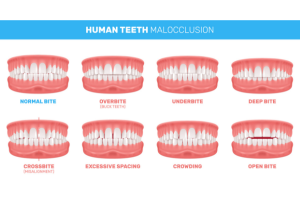
Despite these drawbacks, lingual braces are incredibly versatile. They can address a wide range of orthodontic concerns, including crowded or overlapping teeth, gaps between teeth, and various bite issues such as overbite correction, underbite, and crossbite. They’re also effective for correcting rotated teeth and handling more complex bite corrections that clear aligners might struggle with. However, they may not be ideal for people with extremely small teeth or very deep bites, as there might not be enough room to fit the brackets comfortably. Your orthodontist will conduct a thorough assessment to determine if you’re a good candidate.
Before committing to lingual braces, it’s essential to think about several factors. First, there’s your budget. These braces require a bigger investment, so you’ll want to plan for the full cost and explore whether your orthodontist offers payment plans or financing options. Equally important is the orthodontist’s experience not all practitioners specialise in lingual systems, and their placement requires a high level of skill and precision.
You should also think about your lifestyle. If you work in a profession where perfect speech is critical, the initial adjustment period may be inconvenient. Likewise, oral hygiene demands will be higher, so you must be ready to commit to meticulous cleaning after every meal. Lingual braces can sometimes take slightly longer than traditional braces to achieve results, so patience is key. Diet is another consideration; hard or sticky foods can damage the braces or make cleaning more difficult, so some adjustments will be necessary.
For those who want discreet orthodontics but are hesitant about the cost or comfort of lingual braces, clear aligners can be an attractive alternative. Many brands like Invisalign, Caspersmile , SmileWhite, and Diamond White offer virtually invisible, removable trays that straighten your teeth without the need for fixed brackets.
Clear aligners come with several benefits: they can be removed for eating and brushing, have no metal parts, and are often more affordable than lingual braces. However, they work best for mild to moderate cases and require a high level of self-discipline; you must wear them for 20 to 22 hours a day to get the desired results.
If you’ve set your sights on lingual braces but want to make them more affordable, there are a few strategies to consider. Some patients opt for single arch treatment, where only the top or bottom teeth are fitted with braces, reducing the overall cost. Many orthodontists also offer 0% finance payment plans, allowing you to spread the expense over several months or years.
Shopping around can also make a big difference, as prices vary depending on location. Orthodontic treatment in London, for instance, tends to cost more than in other parts of the UK. Additionally, it’s worth checking whether your dental insurance covers any orthodontic treatment, as even partial coverage can help significantly.
Lingual braces combine the powerful results of traditional braces with the unique advantage of complete invisibility. While the higher cost is a consideration, for many people, the ability to maintain a natural smile and confidence during treatment is worth the investment.
If you’re deciding whether they’re right for you, think carefully about your budget, your orthodontic needs, and how they compare with other options like traditional braces or clear aligners from providers such as Caspersmile, SmileWhite, and Diamond. Ultimately, the best orthodontic treatment is one that fits your lifestyle, meets your dental goals, and leaves you smiling with confidence, both during and after the process.

Curated the best for your knowledge
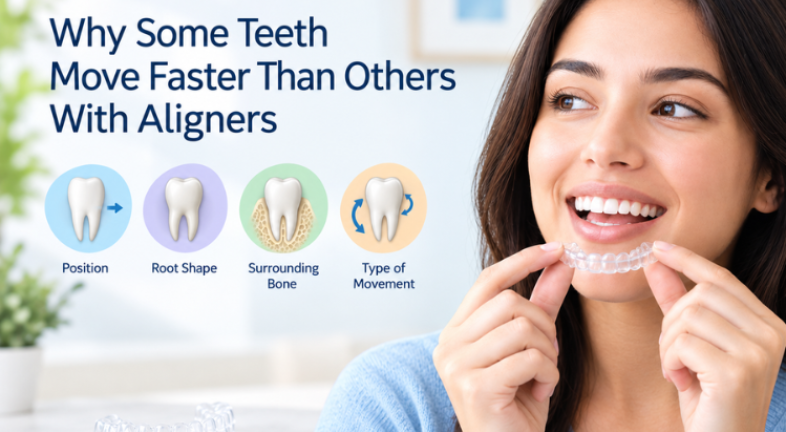 Why Some Teeth Move Faster Than Others With Aligners
Teeth movement with aligners does not happen at the same speed for every tooth. Each tooth responds differently because of its position, root shape, surrounding bone, and the type of movement required. Some teeth show visible changes early in treatment, while others take longer to respond. Your aligner treatment plan accounts for these differences by applying controlled forces in a specific sequence. Understanding what affects the tooth movement timeline helps explain why one tooth can look straighter while another appears almost unchanged.
Read More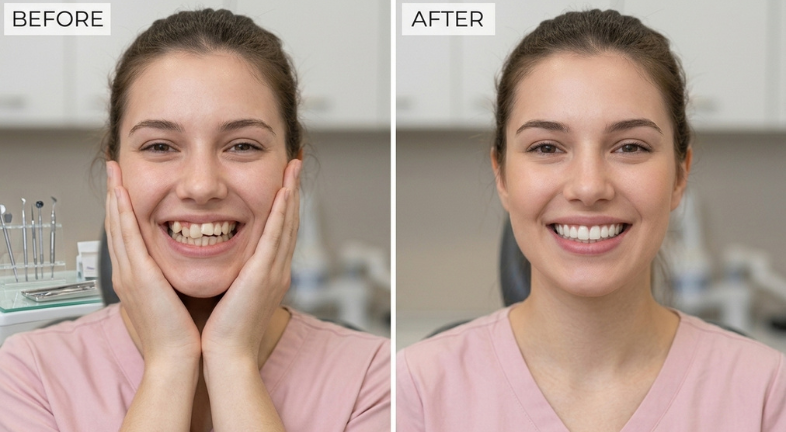 Do Clear Aligners Change Your Face Shape?
Yes, aligners can change your face shape slightly, mainly by changing the position and alignment of your teeth and, in some cases, your bite. But they don’t change your actual bone structure.
Read More What to Do If You Lose Your Aligners While Traveling
The first thing is to contact your provider and figure out if you can switch back to a previous tray or move to the next one. Losing your aligners while traveling can be stressful, but it does not necessarily mean your treatment will be disrupted. The most important thing is to act quickly. Look for your missing tray, wear your previous aligner if advised, and contact your provider for instructions on what to do next. In this guide, we’ll explain what to do if you lose your aligners while traveling, how a lost aligner can affect your treatment timeline, and what you can do to prevent it from happening again.
Read More



Heading