Table of Content
- How Orthodontics Have Been Revolutionized
- What Are Invisible Braces
- Treatment Process
- Comfort and Convenience
- Where to Get Invisible Braces for Teeth
Everyone wants a perfect smile. The structure and position of your teeth can be crucial to the elegance of your smile. Teeth that are not aligned properly don’t have the confidence most people look for in an individual.
Poorly positioned teeth also cause great hindrances to achieve perfect oral health. Individuals who are suffering from overbite, crossbite and underbite face everyday challenges.
How Orthodontics Have Been Revolutionized
The purpose of braces is to rectify dental problems and realign the teeth in perfect order. The revolutionary treatment made significant inroads in revolutionizing the dental industry. However, people were not welcoming the idea of having metallic rods on their teeth for two to three years.
Invisible braces have taken charge of the oral health industry. They can be a comfortable way to treat all sorts of alignment problems.
What Are Invisible Braces
Invisible braces straighten your teeth with minimal effort. People choose invisible braces because they don’t have to put metallic wires on their teeth to cure their dental problems. Invisible braces use medicated plastic which makes them hard to notice. Another benefit presented by them is their removable nature.
Invisible braces can be an ideal choice for adults or teens. The mouths of young people are in the process of developing, and the doctor can be a little hesitant to offer this treatment.
The invisible braces can be more useful in cases with moderate deformities. More severe issues require a more complicated process of treatment. It is preferred to use traditional metal braces for more complex issues.
Treatment Process
Treatment using invisible braces depends upon the extent of movement or rotation a tooth needs to realign. The more misplaced your bite, the more crooked your teeth will be and the longer it will take to resolve the issue.
The time of the treatment often varies from 1-2 years. However, if you are an adult and got your teeth shifted slightly during childhood, you will need invisible braces for as little as ten weeks.
Comfort and Convenience
The invisible braces are popular amongst the younger generation. Most don’t want to attract attention because of the metallic wires on their teeth. Young students are often subject to mockery when they have heavy metallic rods covering their teeth.
Additionally, invisible braces also allow the user to remove them. It eases the regular acts of brushing and flossing. It also helps during eating and gives the user a sense of calm and relief.
Where to Get Invisible Braces for Teeth
If you're considering invisible braces, the first step is understanding which brand is the best fit for your needs. Straight My Teeth can help you compare leading clear aligner brands, based on cost, treatment quality, convenience, and customer satisfaction, so you can make an informed decision.
One standout option we recommend is Caspersmile; a brand known for its affordability, convenience, and dentist-directed treatment plans. With Caspersmile:
- You can start from the comfort of home with an easy impression kit.
- Get a personalized 3D treatment plan before committing.
- Enjoy remote monitoring and support throughout your treatment.
- Receive a free whitening kit and retainers with your aligners.
So, wait no more and get ready to transform your smile without the metal.

 Are Clear Aligners Right for You? Common Dental Issues They Can Fix
 Why Your Aligners Stop Tracking and How to Fix It
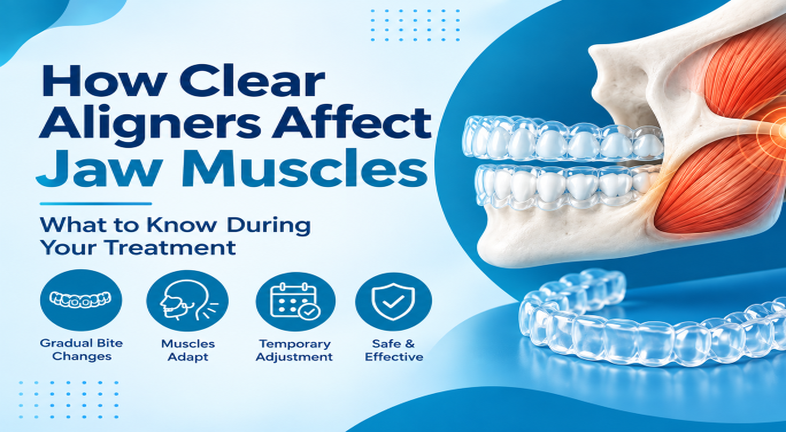 How Clear Aligners Affect Jaw Muscles

 UK
 USA
 Australia
Heading