
Diabetes affects various regions of the body, including the mouth. Diabetics have elevated blood sugar levels, which can damage their teeth and gums. Everyone must worry about their oral health, but it is especially critical for diabetics. Let's look at how diabetes and oral health are related and what you can do to keep your mouth healthy.
When blood sugar levels are high, the effects extend beyond the organs. It may also cause oral difficulties. Higher blood sugar indicates that more sugar is present for bacteria to consume. These germs, or bacteria, can create problems in the mouth, especially if oral hygiene is not maintained.
Periodontal disease is the most prevalent disease affecting diabetic patients. Gum will become red, swollen, tender, and prone to bleeding due to high blood sugar levels. This happens because the bacteria in an individual’s body multiply at a much faster rate when there is extra sugar in the blood. These bacteria are known to cause inflammation of the gums if the infection spreads quickly.
Gum disease progresses in two stages:
People with diabetes are more likely to develop gum disease because their bodies are less capable of combating infections. Regular brushing, flossing, and dental appointments are essential for preventing gum disease.

Another typical concern for diabetics is dry mouth. Dry mouth occurs when there is insufficient saliva, or spit, in the mouth. Saliva is crucial because it helps to remove food particles and microorganisms. Without enough saliva, the mouth can become dry and unpleasant, allowing bacteria to thrive more easily.
High blood sugar levels can lead to dehydration, which implies the body lacks adequate hydration. When the body does not have enough water, it produces less saliva. This is why people with diabetes frequently have dry mouths.
Dry mouth can lead to several problems:
They can prevent dry mouth by drinking water at regular intervals throughout the day. The individual should also avoid sugary drinks, as these exacerbate the issue.
Diabetes will cause a person’s body to heal at a much slower rate than it is supposed to. This means that if you have cuts, sores, or any injuries in the mouth, they may heal slowly. It is also important for diabetics to pay special attention to mild injuries in the mouth as they can aggravate into worse complications.
High blood sugar levels reduce blood flow, which is essential for healing. When blood flow is restricted, the body takes longer to heal damaged tissue. In the mouth, this means that wounds, sores, and gum damage may last longer. This may also increase the risk of sickness since bacteria have more time to grow.
Some things that can slow down recovery include:
People with diabetes should maintain appropriate dental hygiene and avoid habits that impede healing. Taking special care of the mouth might help keep minor issues from becoming more dangerous.

People with diabetes are more prone to infections because their immune systems are frequently impaired. The immune system is our body's defense against infections, but diabetes can make this difficult. When blood sugar is high, germs in the mouth develop more quickly, leading to infections.
For people with diabetes, two types of infections are particularly common: thrush and periodontitis. Here’s how they affect the mouth:
If these infections aren’t treated, they can worsen and cause pain, and discomfort, and even lead to further health issues. Regular dental checkups are important to catch and treat infections early.
People with diabetes must be aware of early indicators of infection. Here are some indications to watch for:
If you experience any of these symptoms, you should see a dentist. Early treatment helps keep infections from worsening and lowers the risk of consequences.
Managing diabetes well can help improve oral health. Keeping blood sugar levels steady helps reduce the risk of oral problems. With proper habits, people with diabetes can take good care of their teeth and gums.
Controlling blood sugar is important for diabetics because it protects their teeth and gums. Here are some ways to keep blood sugar under control:

For people with diabetes, oral hygiene is even more important than usual. Regular brushing, flossing, and dental checkups can prevent issues before they start. Here are some effective ways to keep the mouth healthy.
Sticking to a consistent oral care routine can make a big difference. Here’s a simple routine for people with diabetes:
For those with sensitive gums, using a water flosser can be a gentle alternative to traditional floss.
Regular dental visits are essential for everyone, but especially for people with diabetes. Dentists can spot problems early and provide treatments that help keep teeth and gums healthy. Here are some tips for making the most of dental visits:
That is why one should not forget the necessity of drinking water when being diabetic. Consuming adequate water in the body keeps the mouth moist and reduces cases of dryness prevalent in diabetes because of high sugar levels in the blood.
If the body is well-hydrated, it can produce the quantity of saliva necessary to keep the mouth clean and free from discomfort. Sweat cools the body down, and it has been observed that saliva contains certain enzymes that helps wash away food particles. This in turn reduces the chances of the formation of plaques and cavities.
Here are some simple ways to stay hydrated and support oral health:
Staying hydrated is a small but powerful step in keeping the mouth healthy and preventing dry mouth-related issues for people with diabetes.
Stress can have a significant impact on diabetes and oral health. When we're anxious, our blood sugar levels rise, making diabetes tougher to manage. Stress can also lead to bad oral hygiene behaviors, such as grinding teeth or failing to brush and floss. Managing stress helps us maintain good blood sugar and oral hygiene.
Here are some easy ways to reduce stress and help protect oral health:
Stress can be well controlled and is also considered to support the general health of teeth and gums. It is also less possible to neglect daily practices that are beneficial to the health of the mouth and teeth.
Diabetes affects numerous areas of the body, including the mouth. People with diabetes are more likely to develop gum disease, dry mouth, and other oral health problems. However, with the appropriate habits, you can protect your smile while still keeping your mouth healthy. Brushing, flossing, staying hydrated, and visiting the dentist are all important measures in maintaining your teeth and gums in good condition.
Taking care of your mouth entails more than just maintaining a pleasant grin. It is an essential component of diabetes management and overall health. You can maintain a healthy mouth and body by making minor changes and developing excellent habits.

Curated the best for your knowledge
 Are Ultrasonic Cleaners Worth It for Clear Aligners?
Yes, ultrasonic cleaners for clear aligners can be worth it, especially for removing plaque, debris, and buildup that regular brushing may miss. They use high-frequency sound waves to create tiny bubbles that help loosen buildup from the trays and other orthodontic appliances, including retainers, mouthguards, and night guards. However, they are not essential for everyone and have some limitations. Here’s how ultrasonic cleaners work, their benefits and drawbacks, and how to use one safely.
Read More The Aligner Diet: Can Clear Aligners Really Cause Weight Loss?
Some people notice they've lost a little weight after starting clear aligner treatment. It can happen, especially during the first few weeks, when taking the trays out for every meal and snack takes some getting used to. Sore teeth can also make eating less appealing for a day or two. The amount of weight lost varies from person to person, and not everyone experiences this change. Below, we'll break down why it happens, whether it's actually good for you, and what to know before treating your aligners like a diet plan.
Read More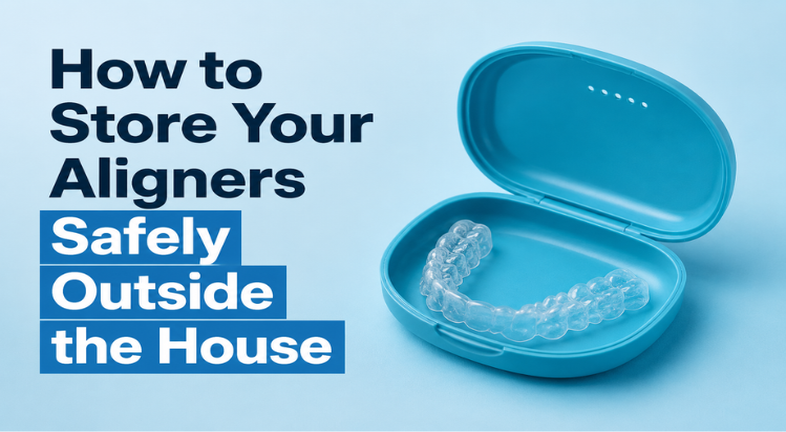 How to Store Your Aligners Safely Outside the House
Taking your clear aligners out while you're away from home is part of everyday life. The important part is knowing where to keep them until it's time to wear them again. Whether you're eating at a restaurant, traveling, running errands, or attending a social event, instead of leaving them on the table or wrapping them in a tissue or napkin, place them in a protective aligner case. Poor storage can lead to lost, damaged, or dirty aligners.
Read More



Heading